Both cities are well worth seeing and exploring. We had the thrill of a life time by taking a Princess Cruise down the eastern side of South America in December of 2024.

We were able to explore both Rio de Janeiro and Buenos Aires. There are distinct differences, similarities and in other ways, worlds apart.
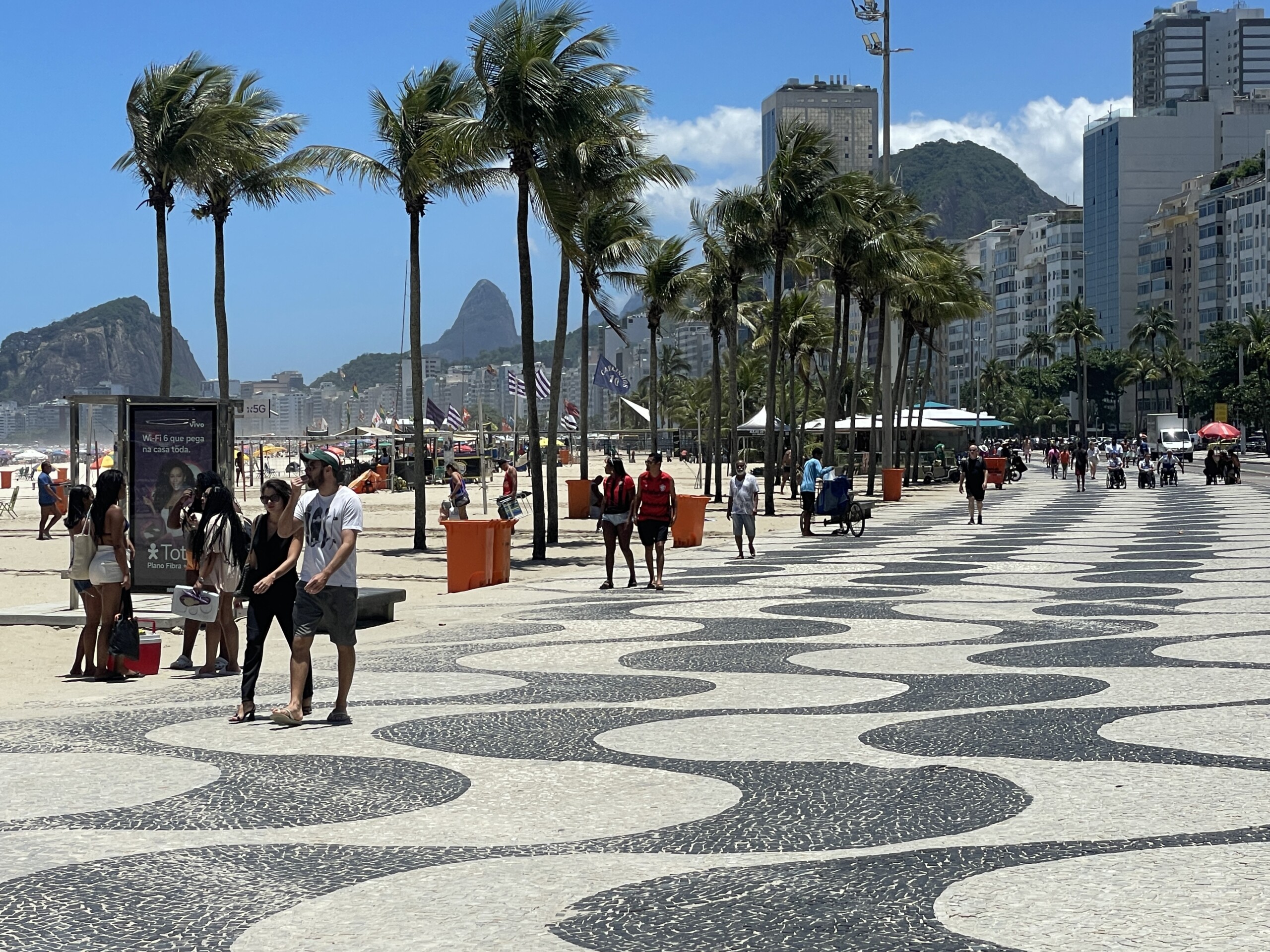
Historically, Rio de Janeiro was first colonized by the Portuguese. Actually, Pope Julius II sanctioned Portugal to take over Brazil with the line of demarcation that divided South America in 1506. Explorer Pedro Alvares Cabral went too far west and discovered this new land. The Portuguese influence is felt in Brazil with its language and architecture. Many of Rio’s streets are paved with the white and black limestone tiles, much like Lisbon and many cities in Portugal.
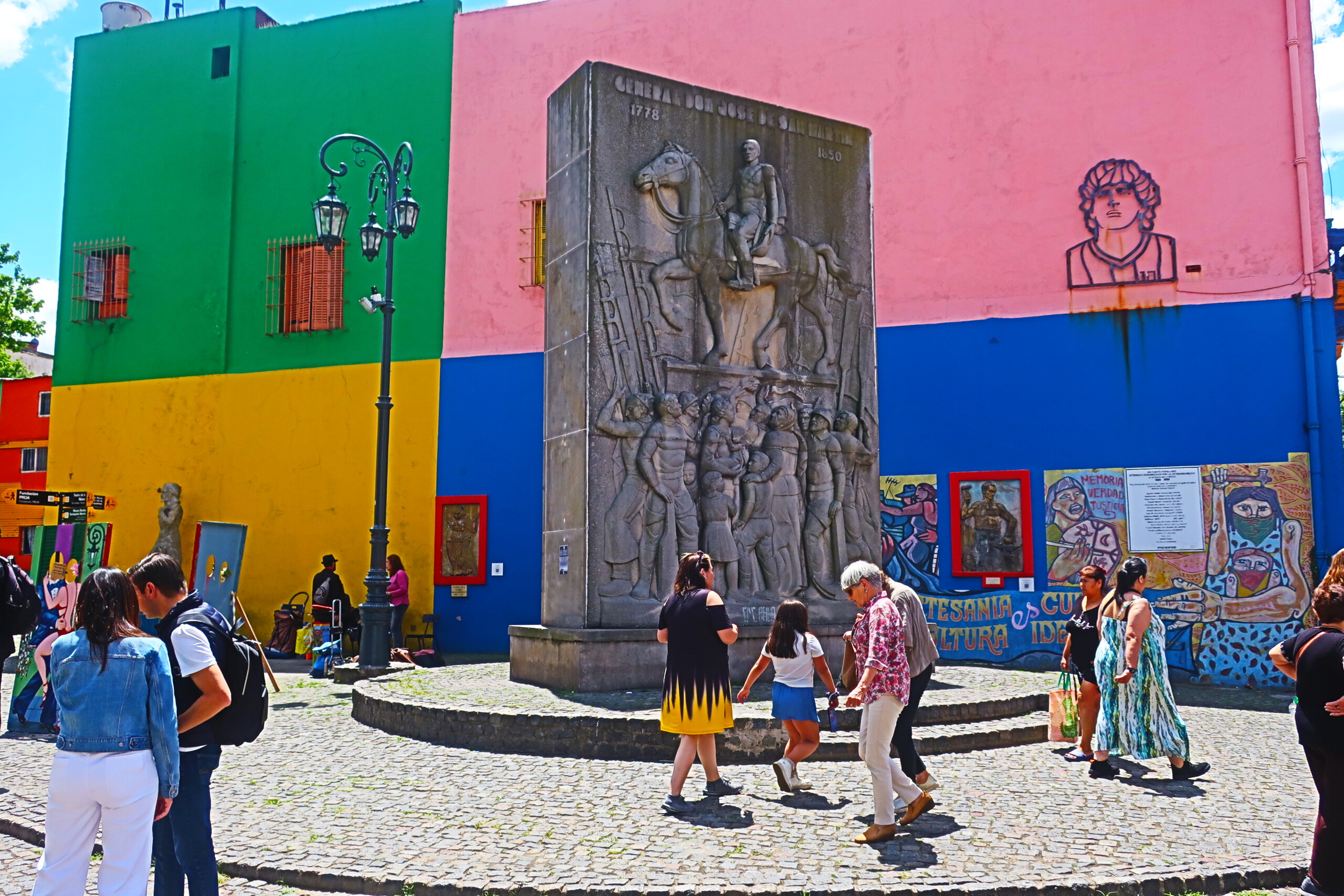
Many other nations of South America speak Spanish. By 1580, the Spanish established settlements around Buenos Aires. The colony had an open door policy allowing British, French and Germans to immigrate and help develop this new land. Jose de San Martin is credited of liberating Argentina, Chile and Peru from Spanish rule during the 19th century. A statue of him is located in La Boca, a district in Buenos Aires.
Coming into the Rio de Janeiro port is quite spectacular. Buenos Aries not so.
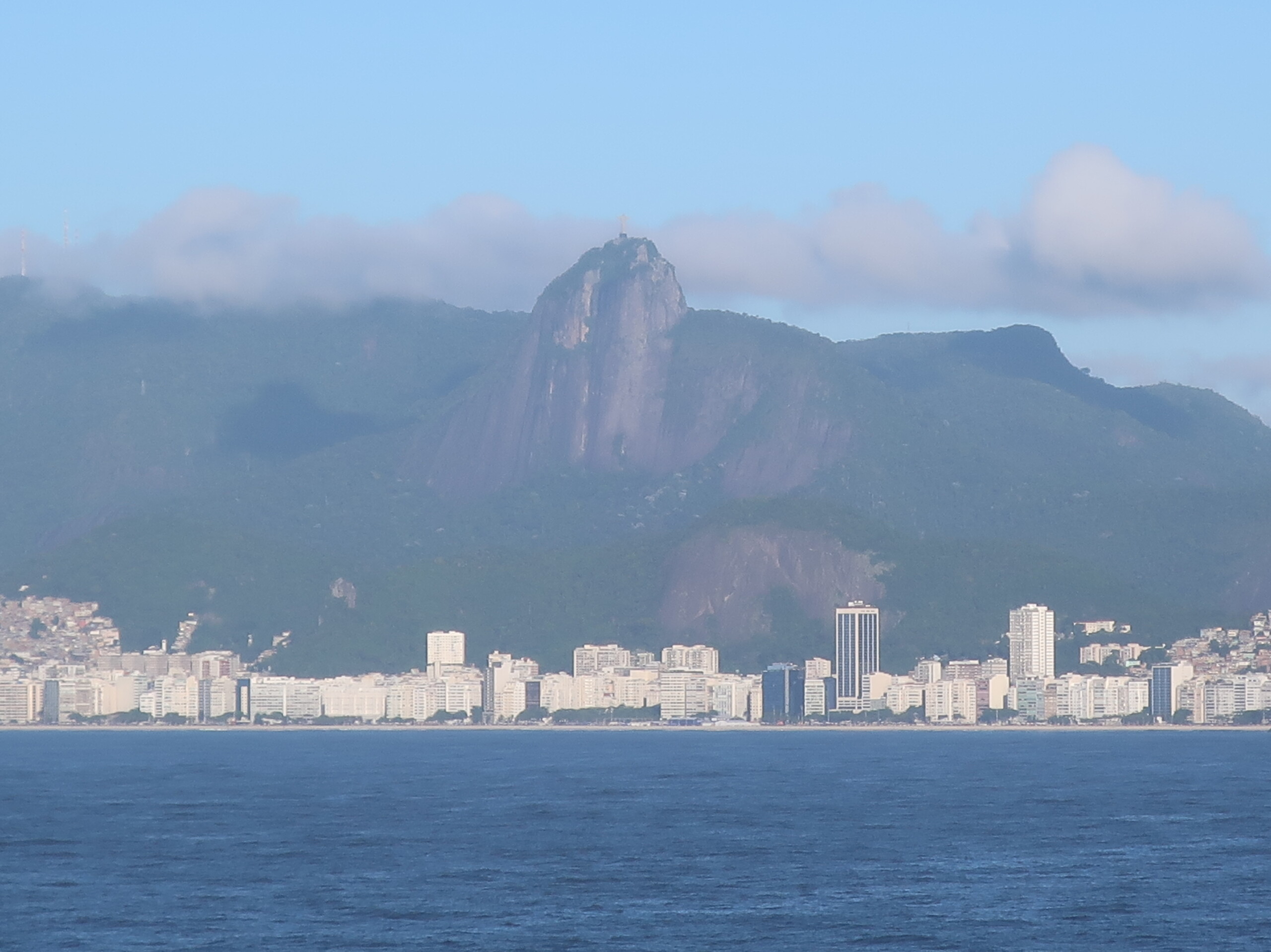
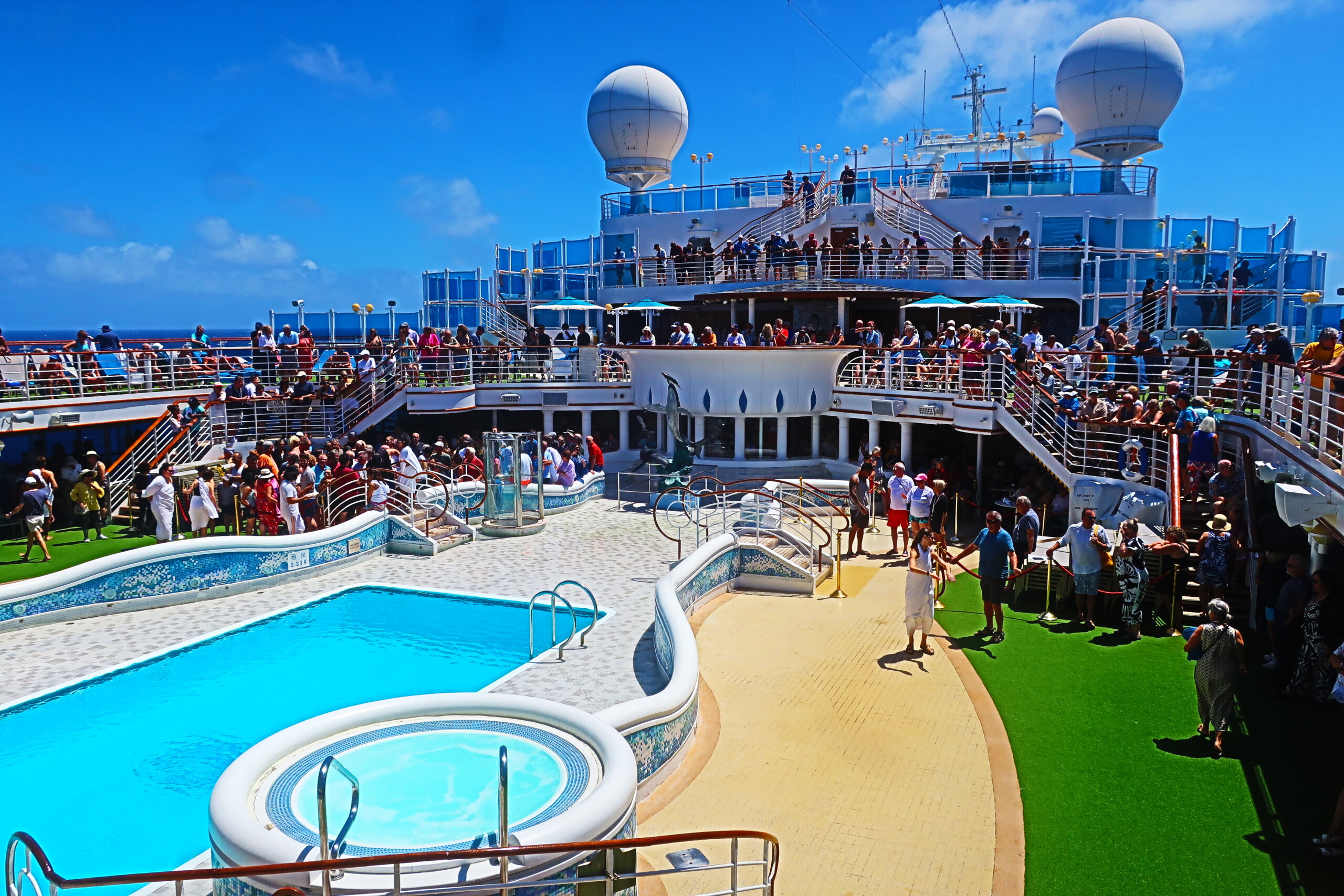
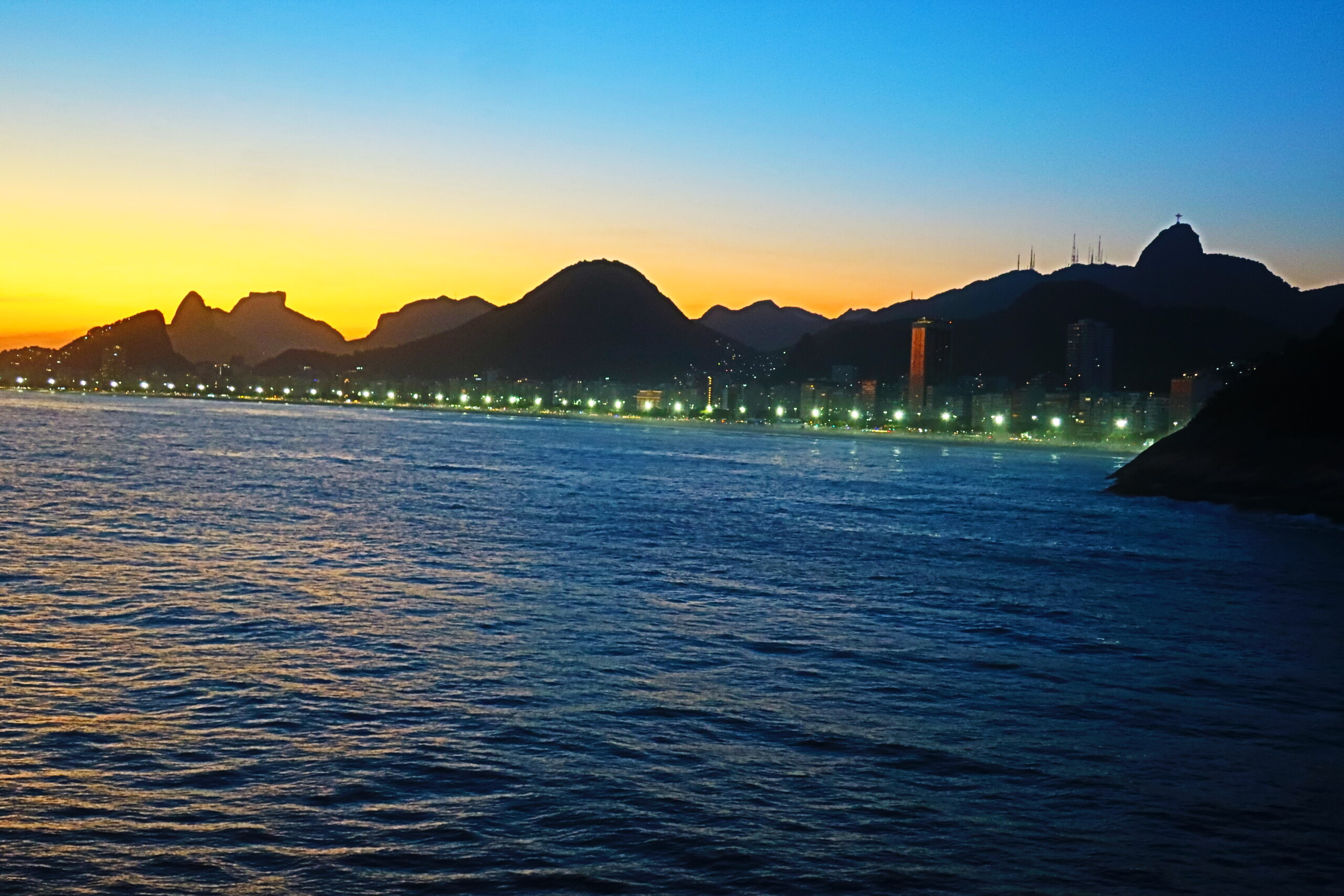
The ship leaving Rio de Janeiro’s harbor was quite spectacular too.

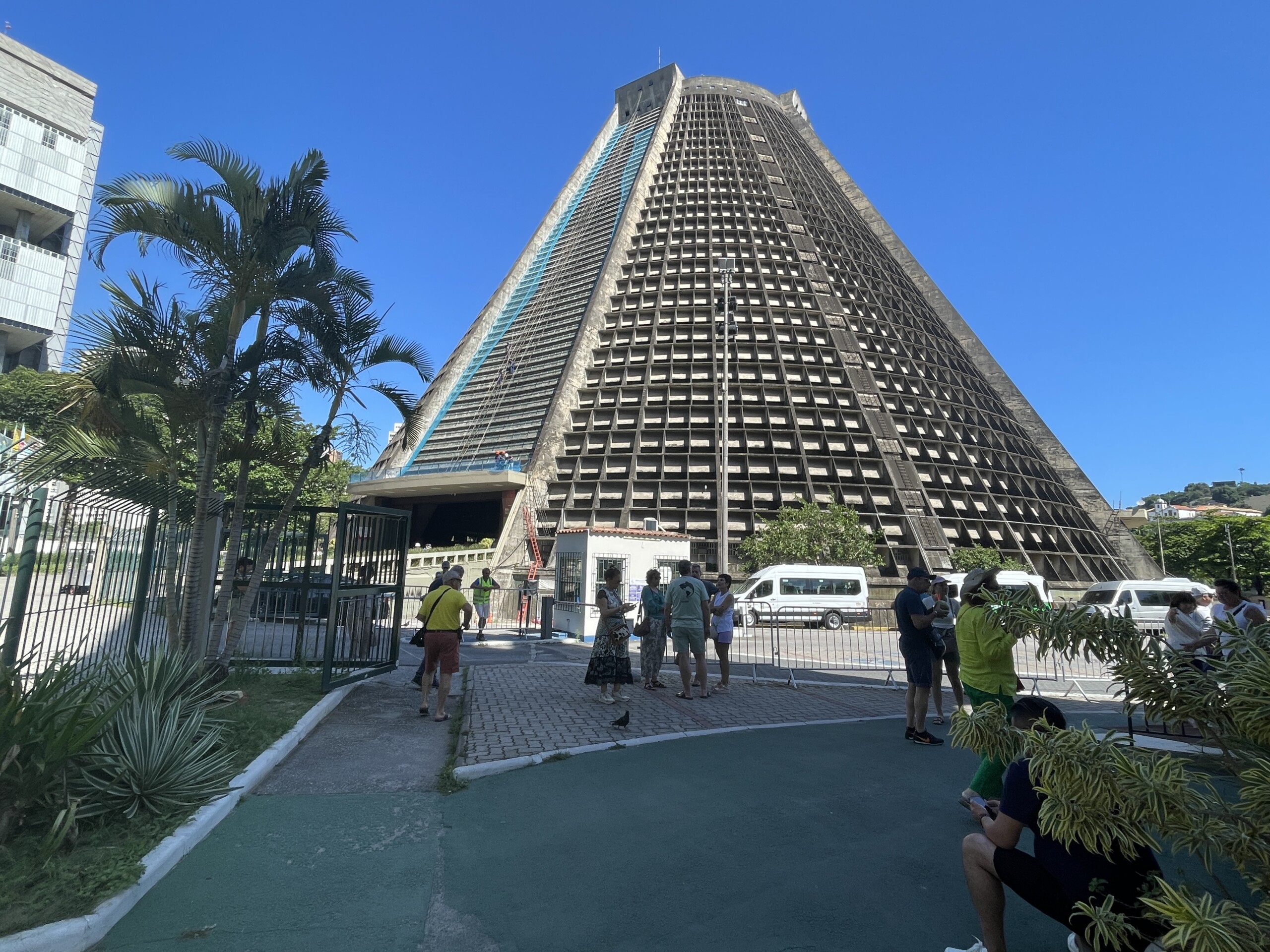
The Catholic religion dominates both cities. It is Rio, though, that has the Metropolitan Cathedral which is 246 feet tall. There are four stunning stained-glass windows. The Cathedral does look like a Mayan pyramid.
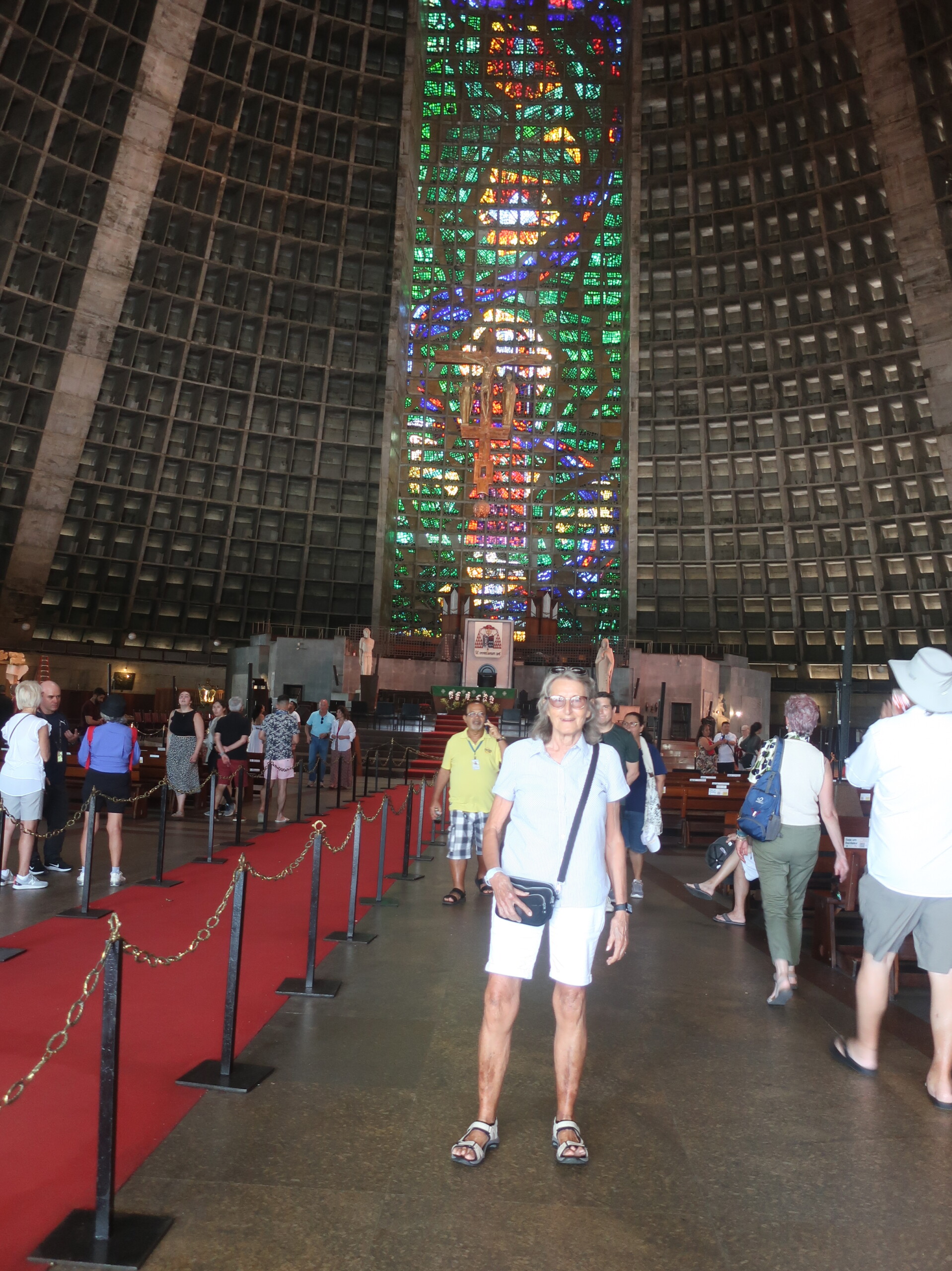
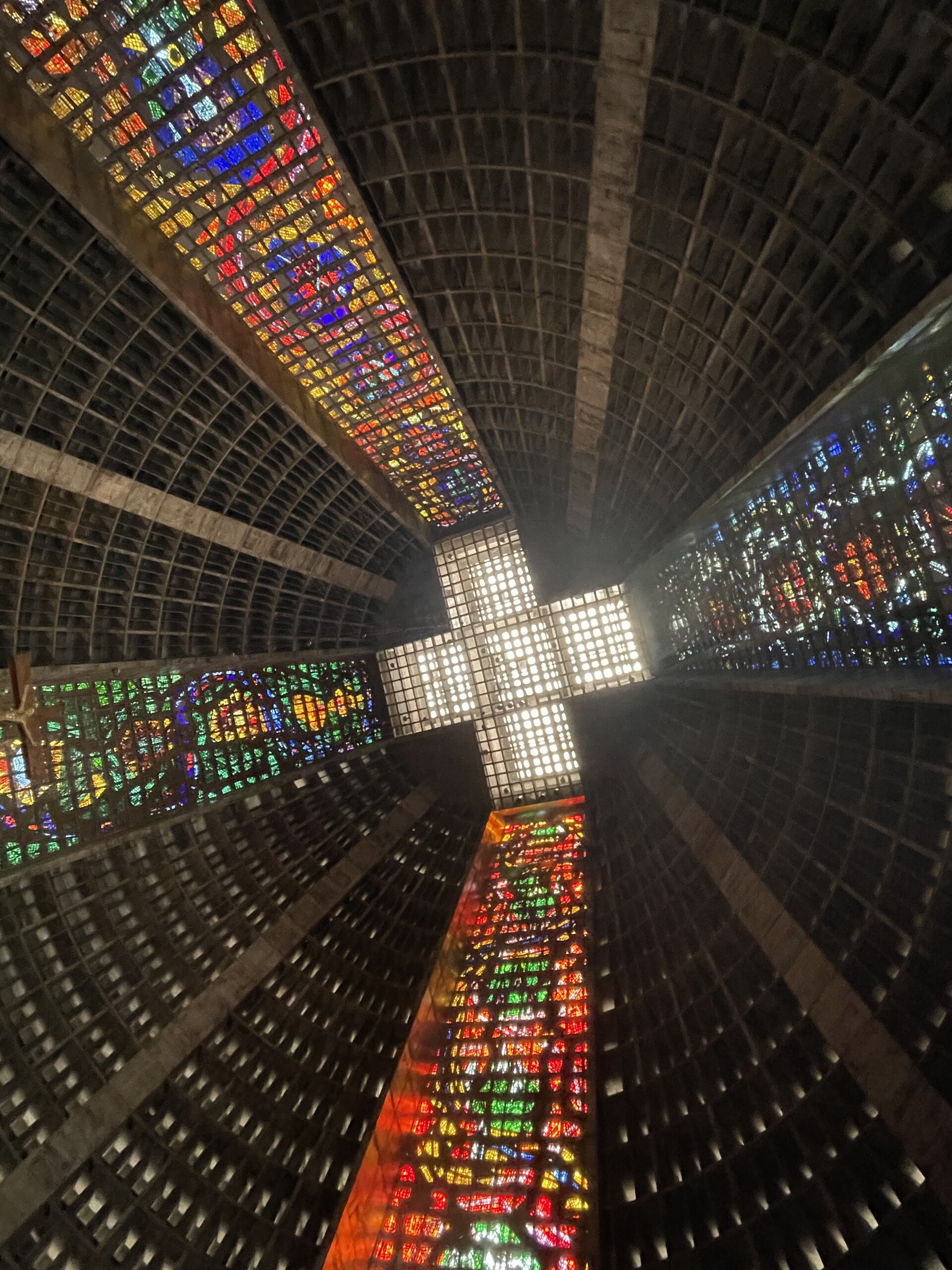
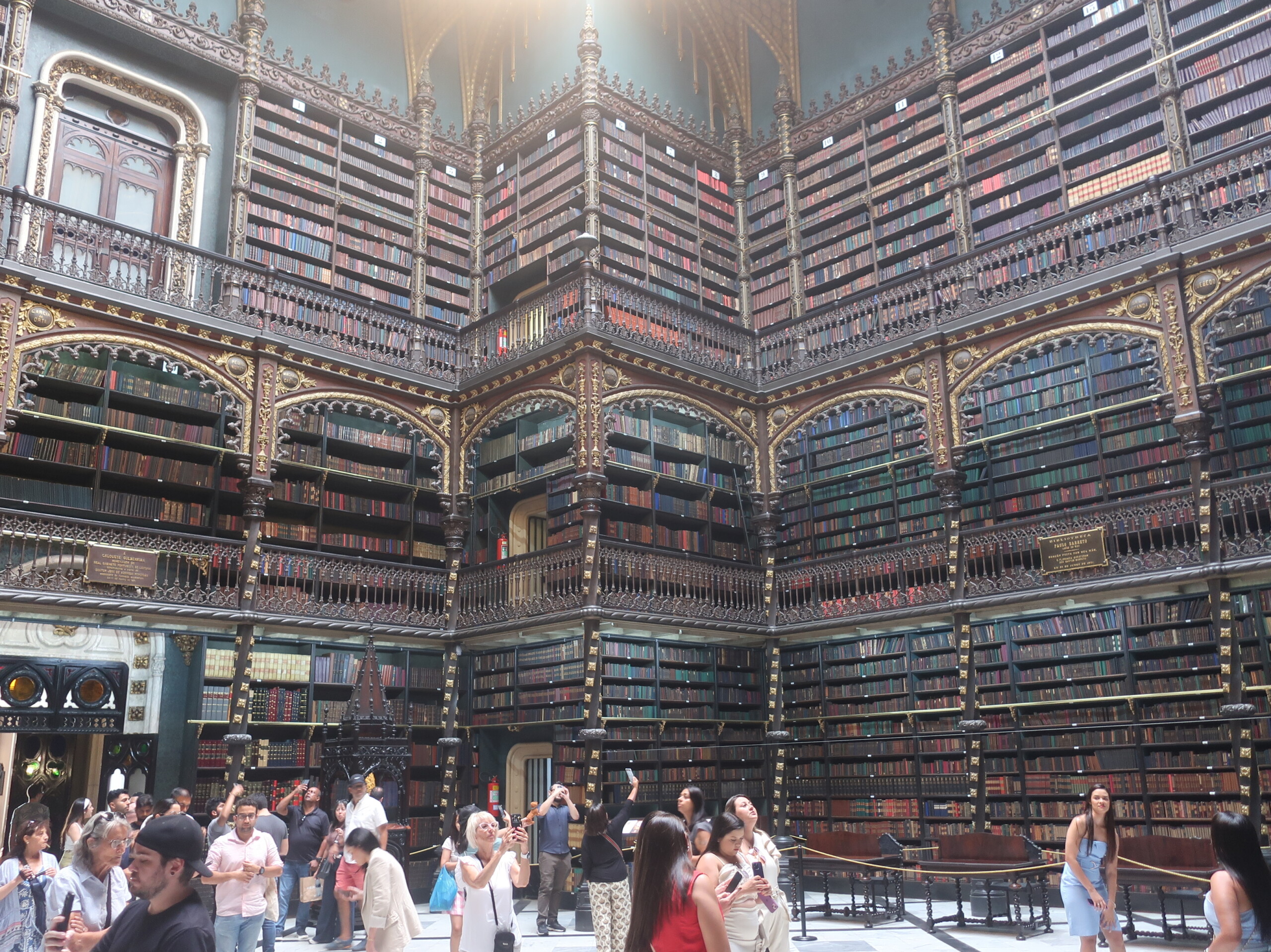
Not far from this church is Rio de Janeiro’s famous ornate library, “Real Gabonese Portugues de Leitura.” The library is free to go inside, but parking anywhere in Rio is a problem.
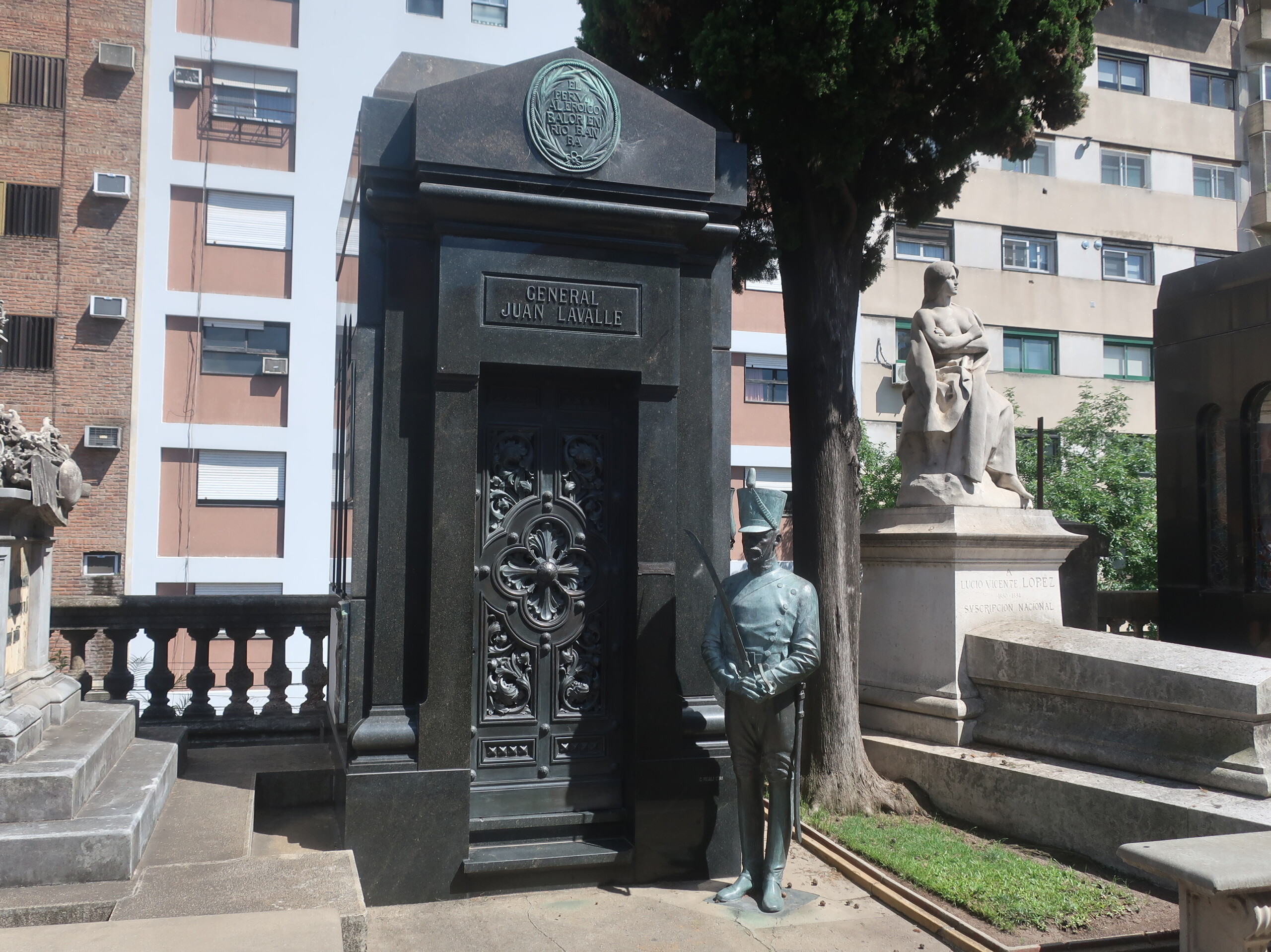
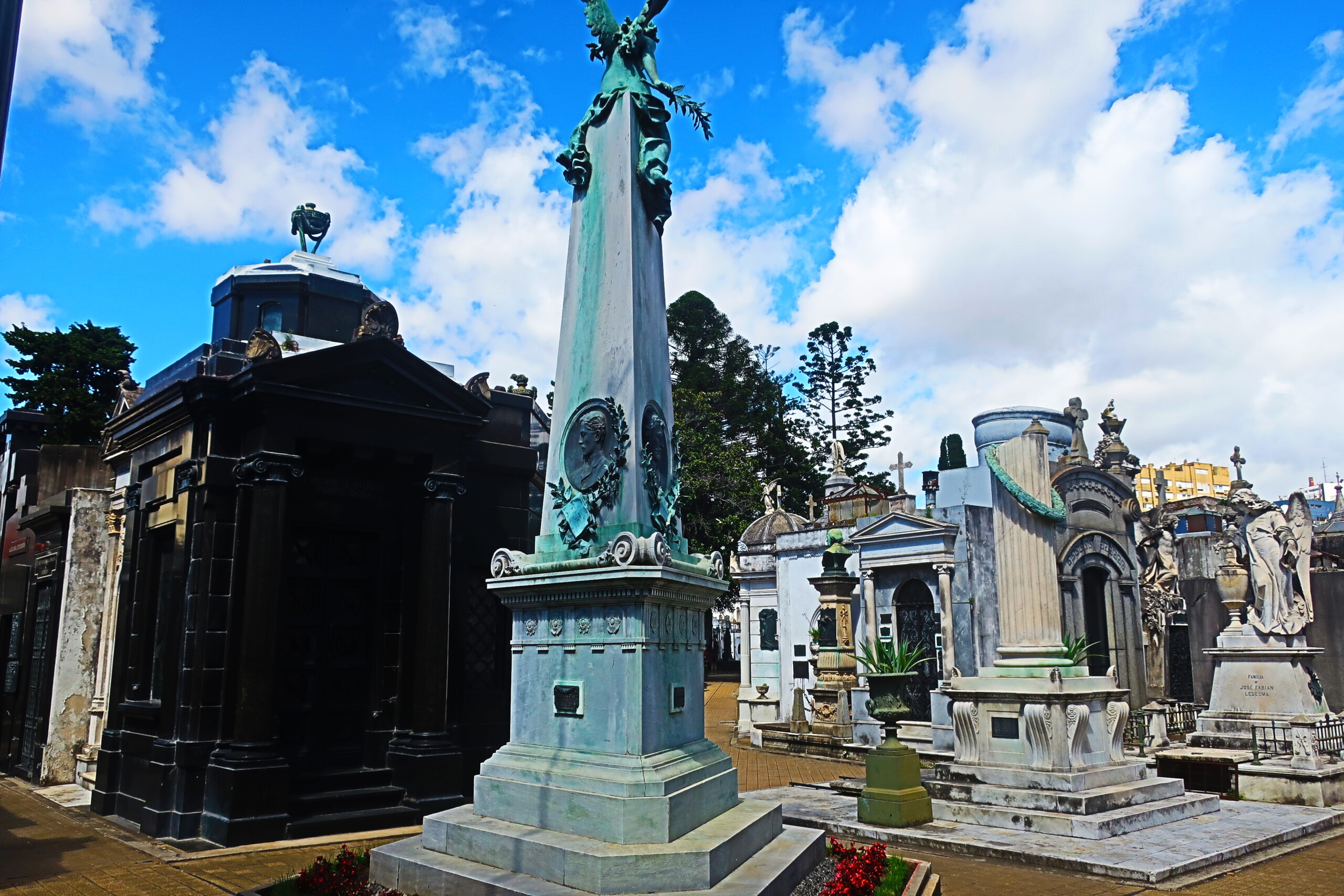
Buenos Aires has the famous La Recoleta cemetery. There are nearly 5000 graves. Many of the vaults are above ground. One of the most famous graves is of Eva Peron, a famous actress, politician and activist. Her grave seems to draw the most people.
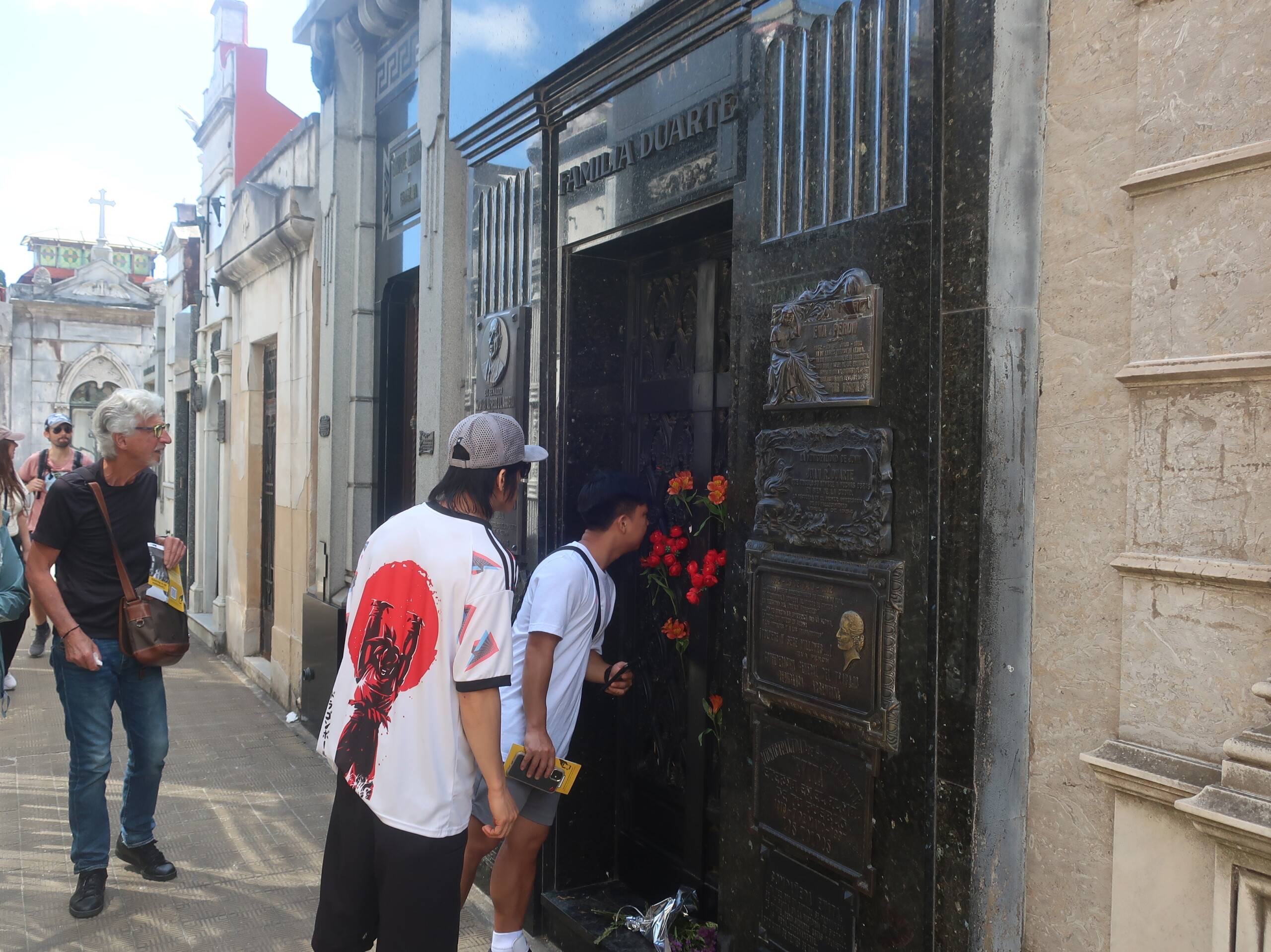
There are also a number of presidents, Nobel Prize winners and generals buried in this 14-acre site.
Both nations are enthused and support the sport of football–ok, soccer. We visited the major stadium in Rio, called ‘Maracana.”
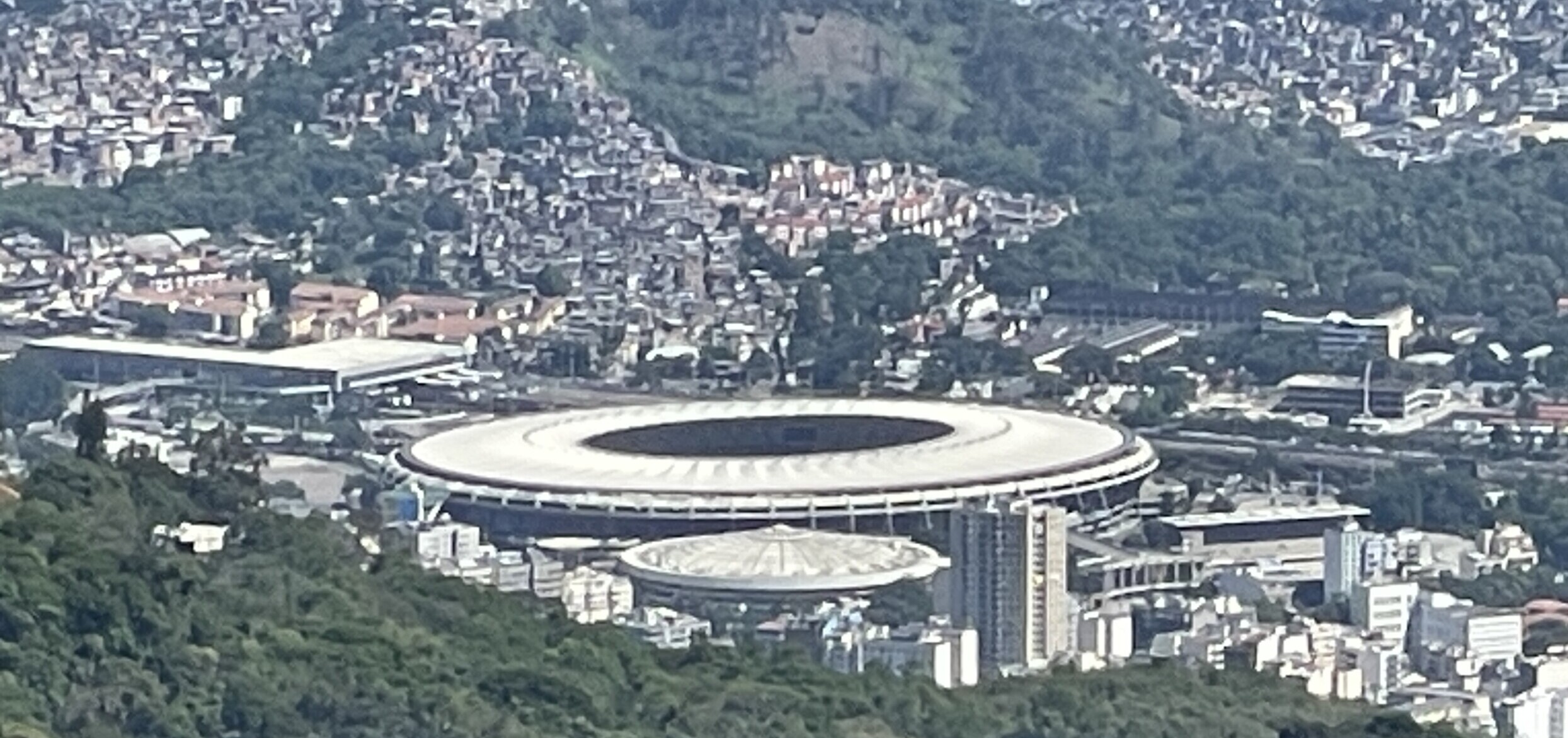
At one time in its history, this stadium would hold over 100,000 people–the largest in the world for many years.
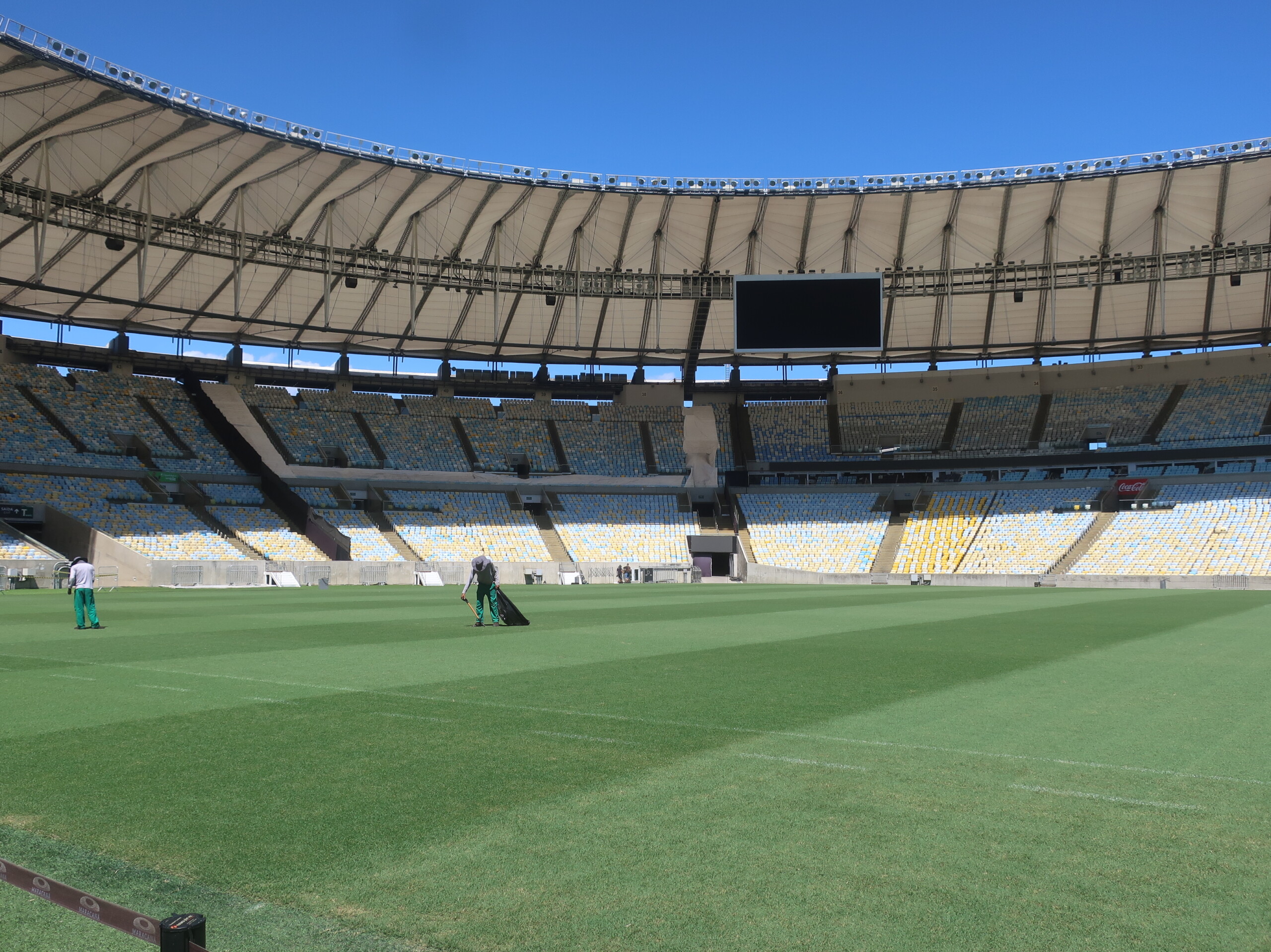
One of the most celebrated soccer players was from here, Edson Arantes do Nascimento, known as Pele. His 1000th goal soccer ball in in the museum located at the stadium.

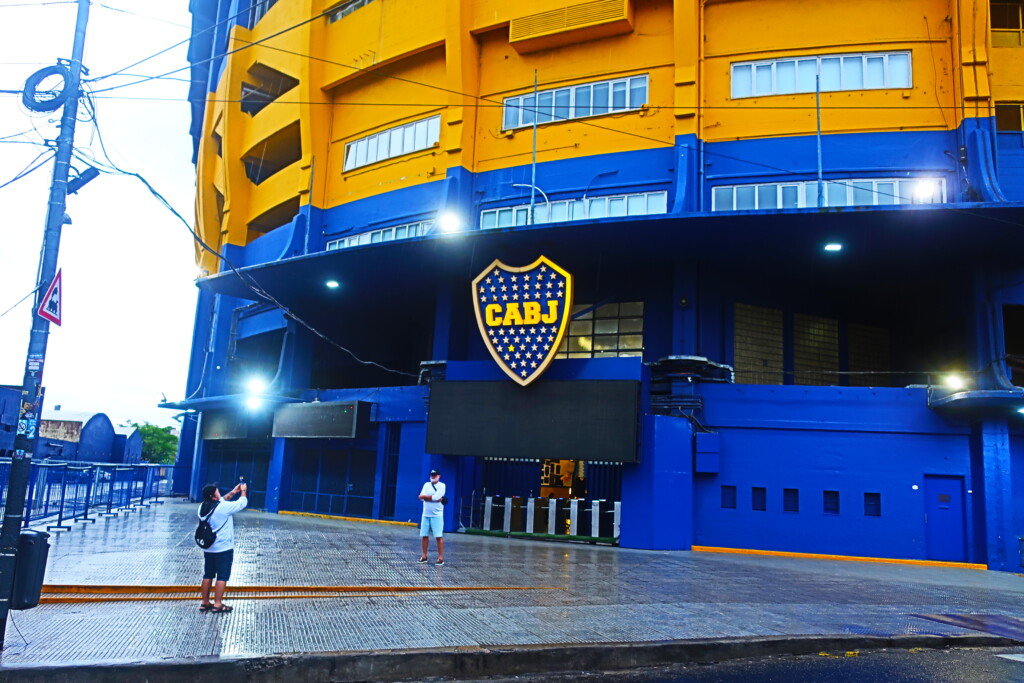
In the Buenos Aires district of La Boca is the La Bombonera stadium. The famous team, Boca Juniors, wear the colors of Blue, Yellow and Gold. Ironically, their colors came off of a Swedish ship at the turn of the century.

Throughout the district of La Boca, are life-size manikins that are seen mostly out of second story windows. It is quite a site to observe from street to street the colorful La Boca display.
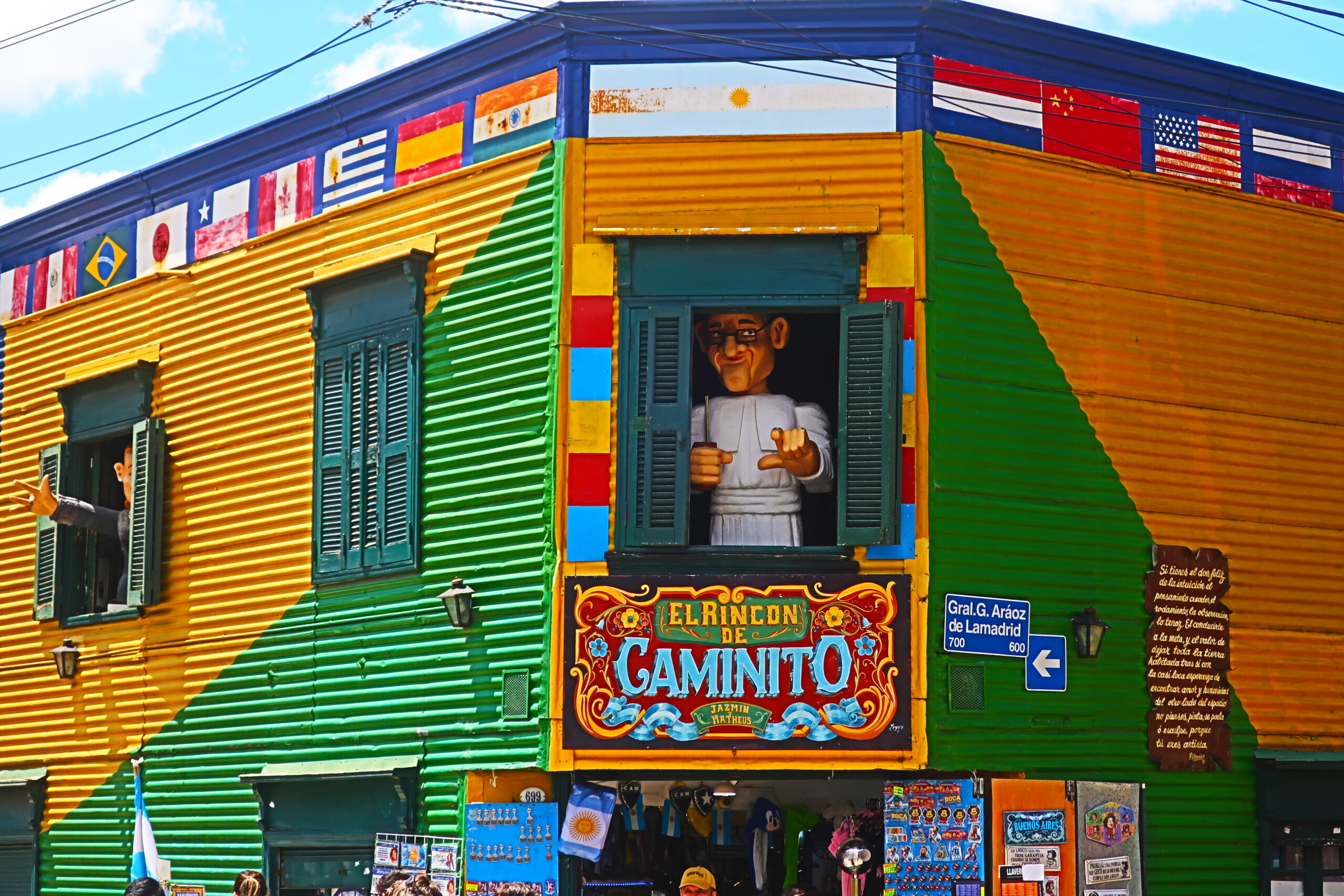
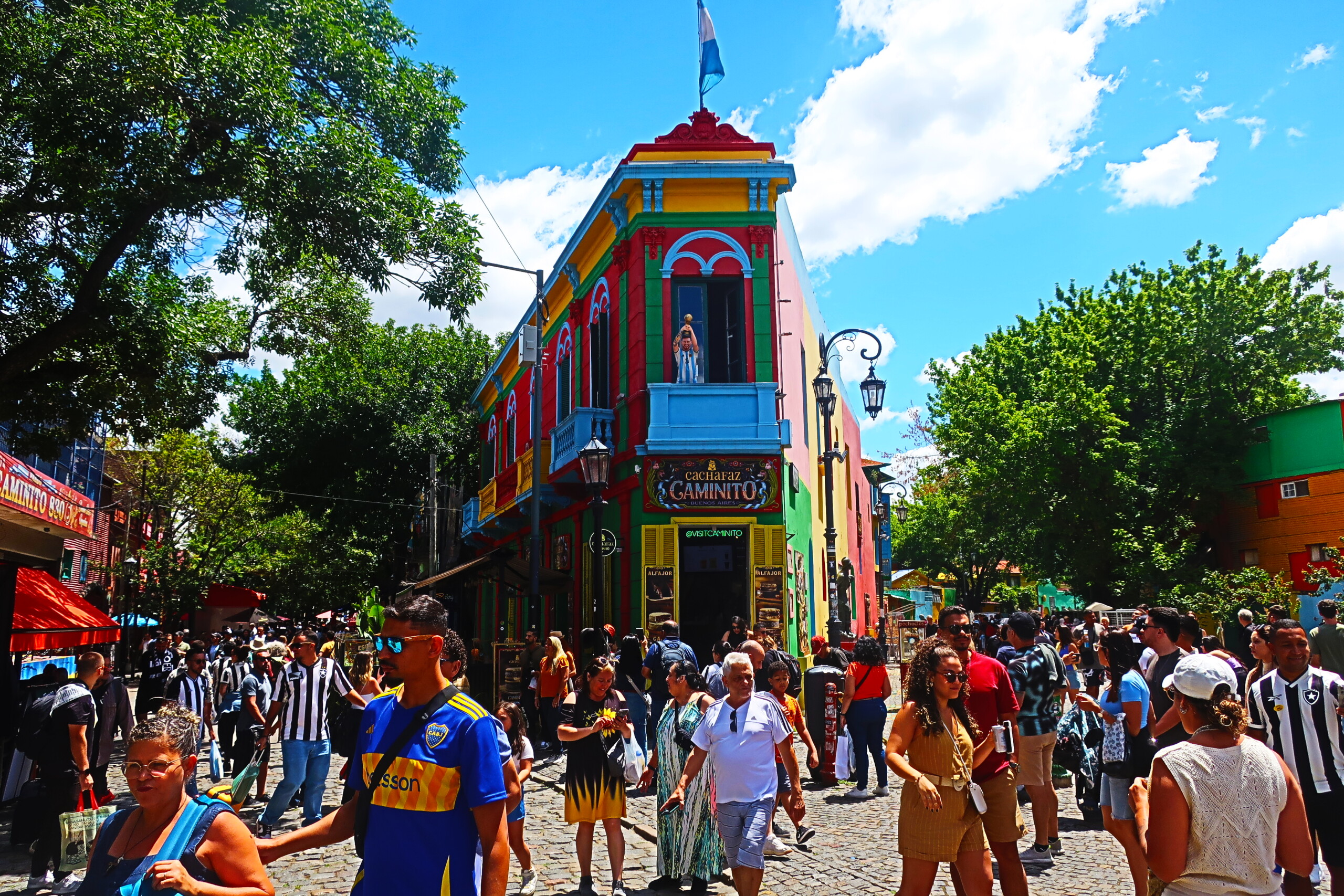
A number of the restaurants in La Boca will have “Tango” dancers to draw in patrons.

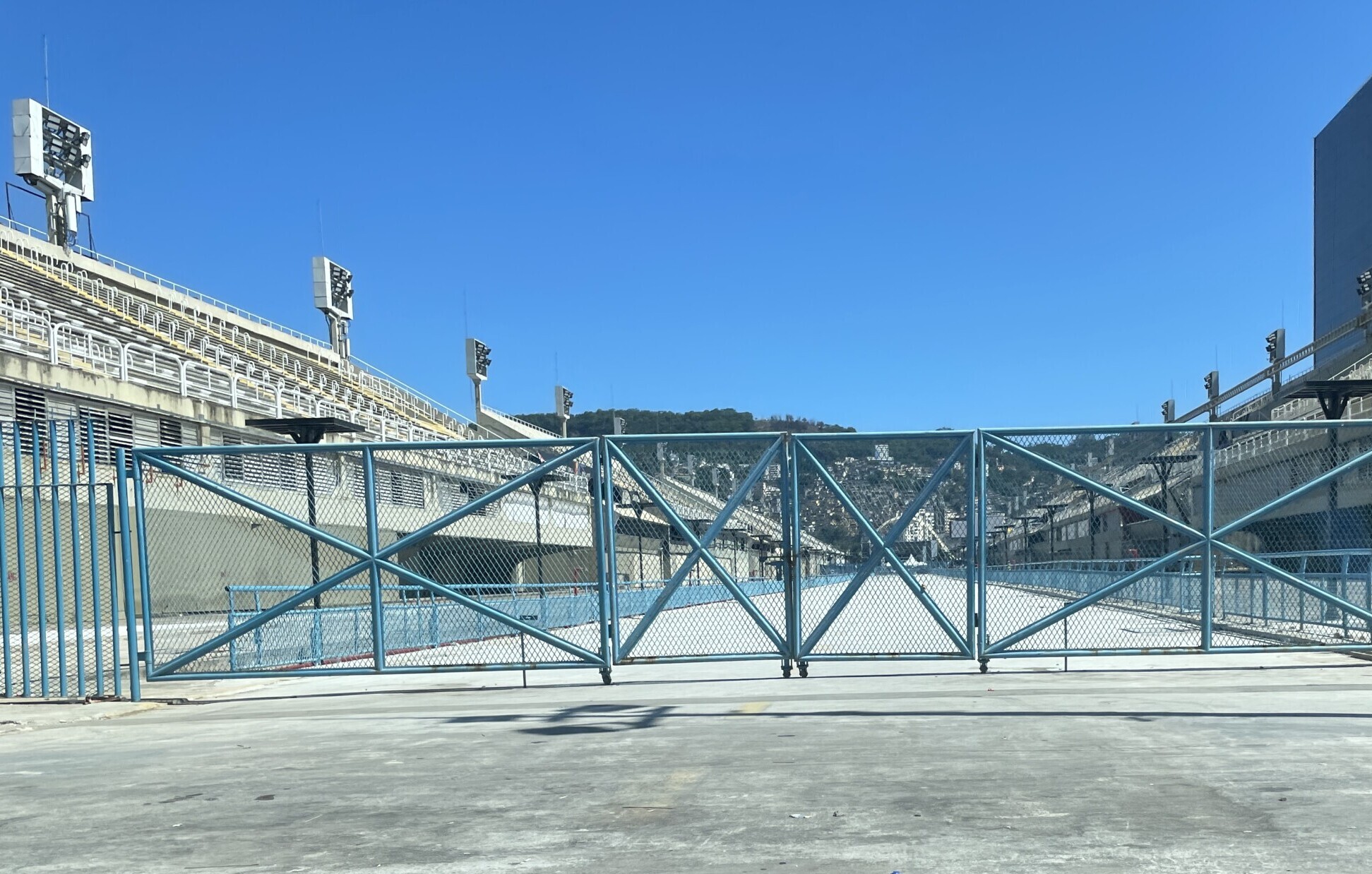
During the height of the festival of Carnaval in Rio de Janeiro, the “samba” dance in quite prevalent. There is a dedicated street just to have the Carnaval in the middle of February which draws hundreds of thousands of people dressed in decorative and flashy outfits. I was able to snap this picture from our UBER.
Both cities have cultural strengths. Buenos Aires is known as “Paris of South America.” A number of boulevards are quite wide.
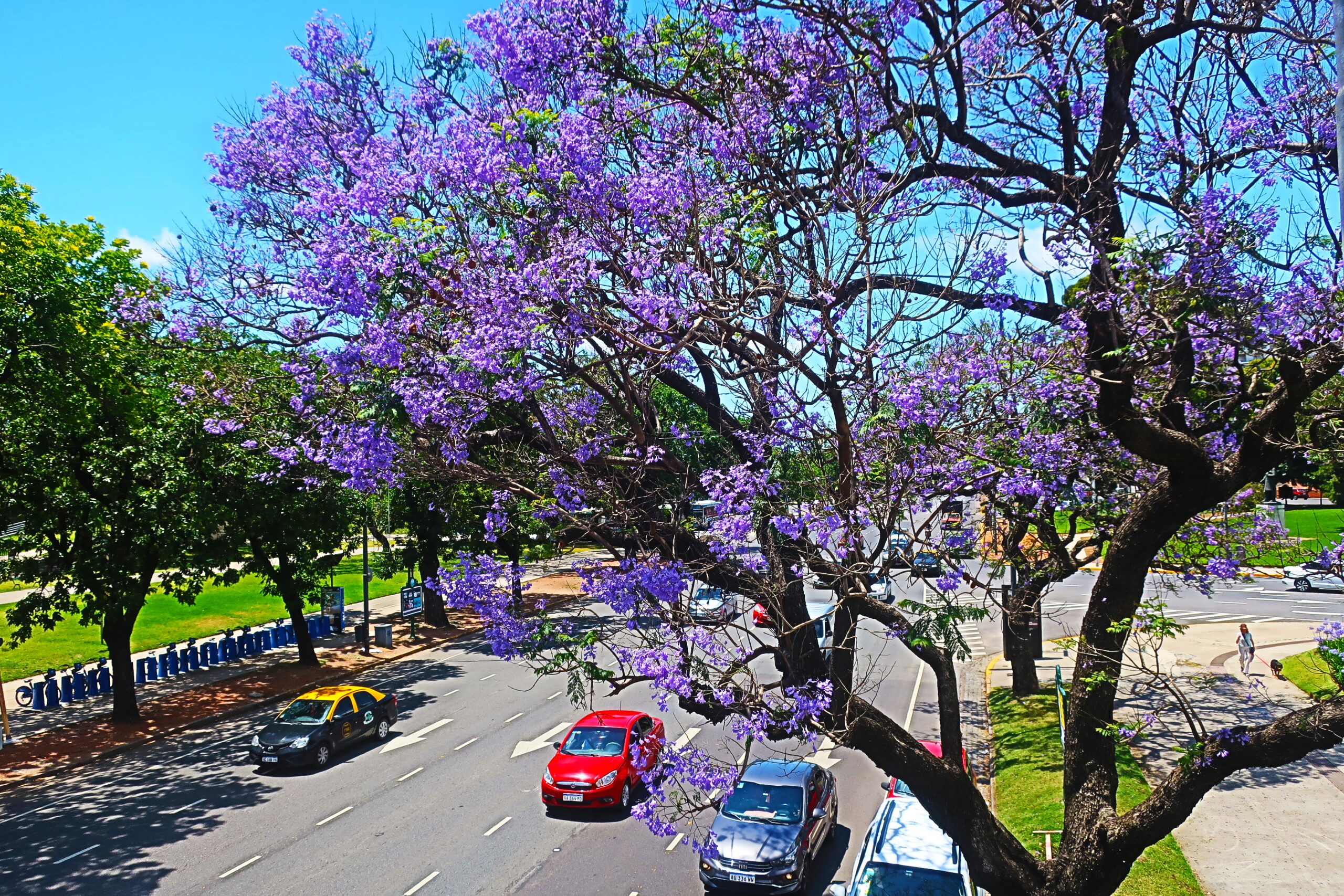
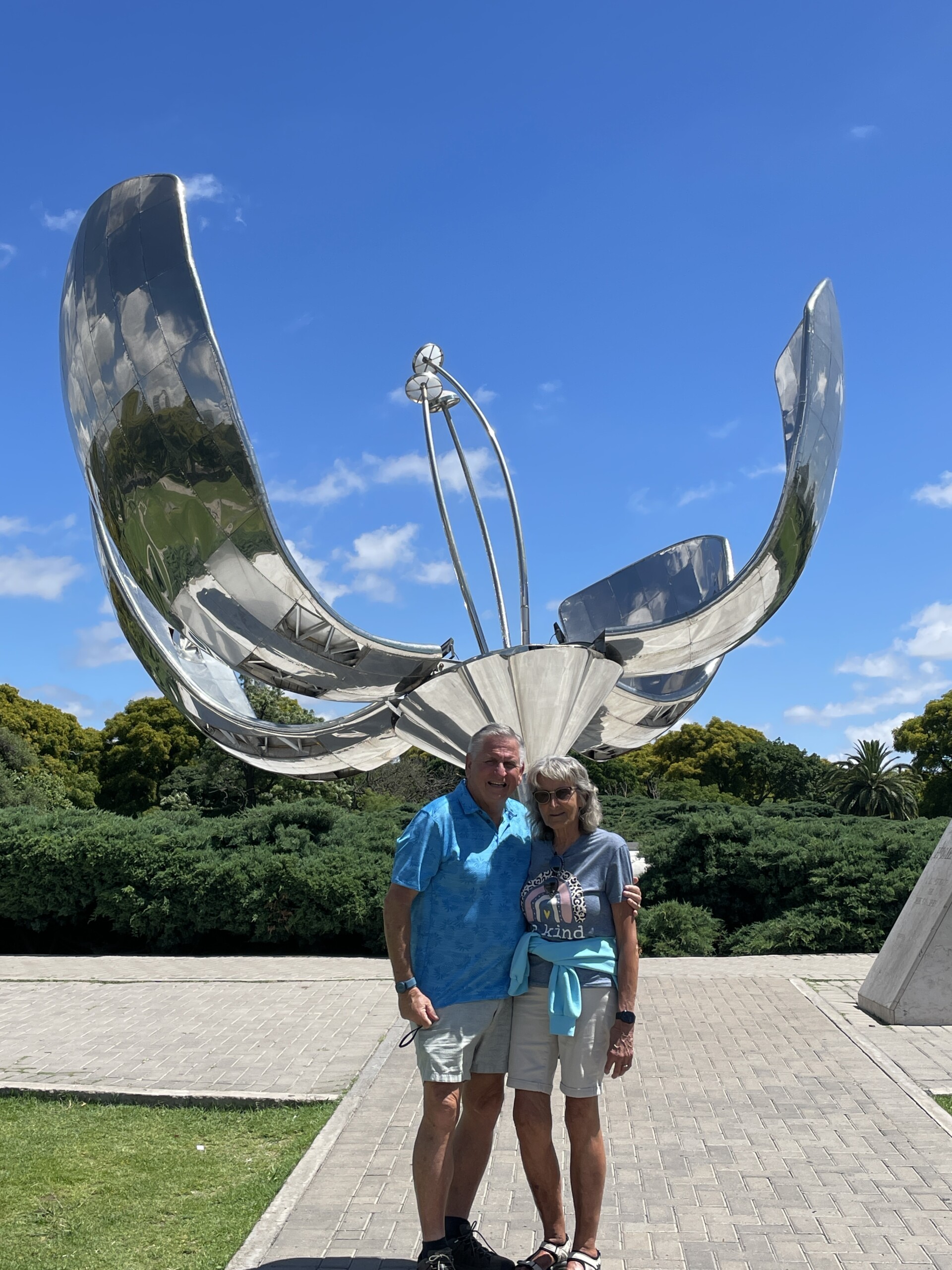
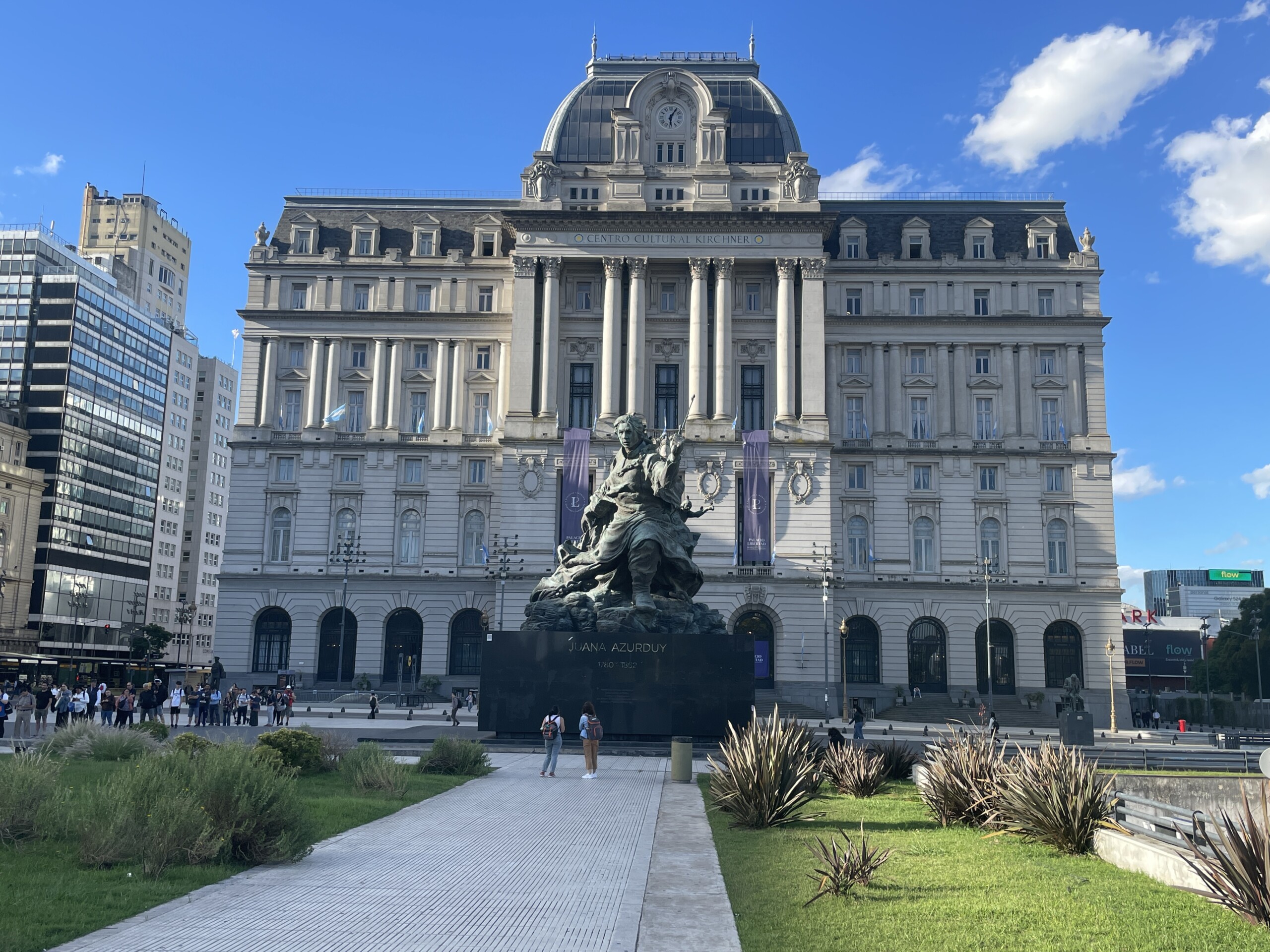
There are a number of buildings that resemble a Paris type of quality. We did enjoy the flower sculpture, Floralis Generica, which is not far from La Recoleta.
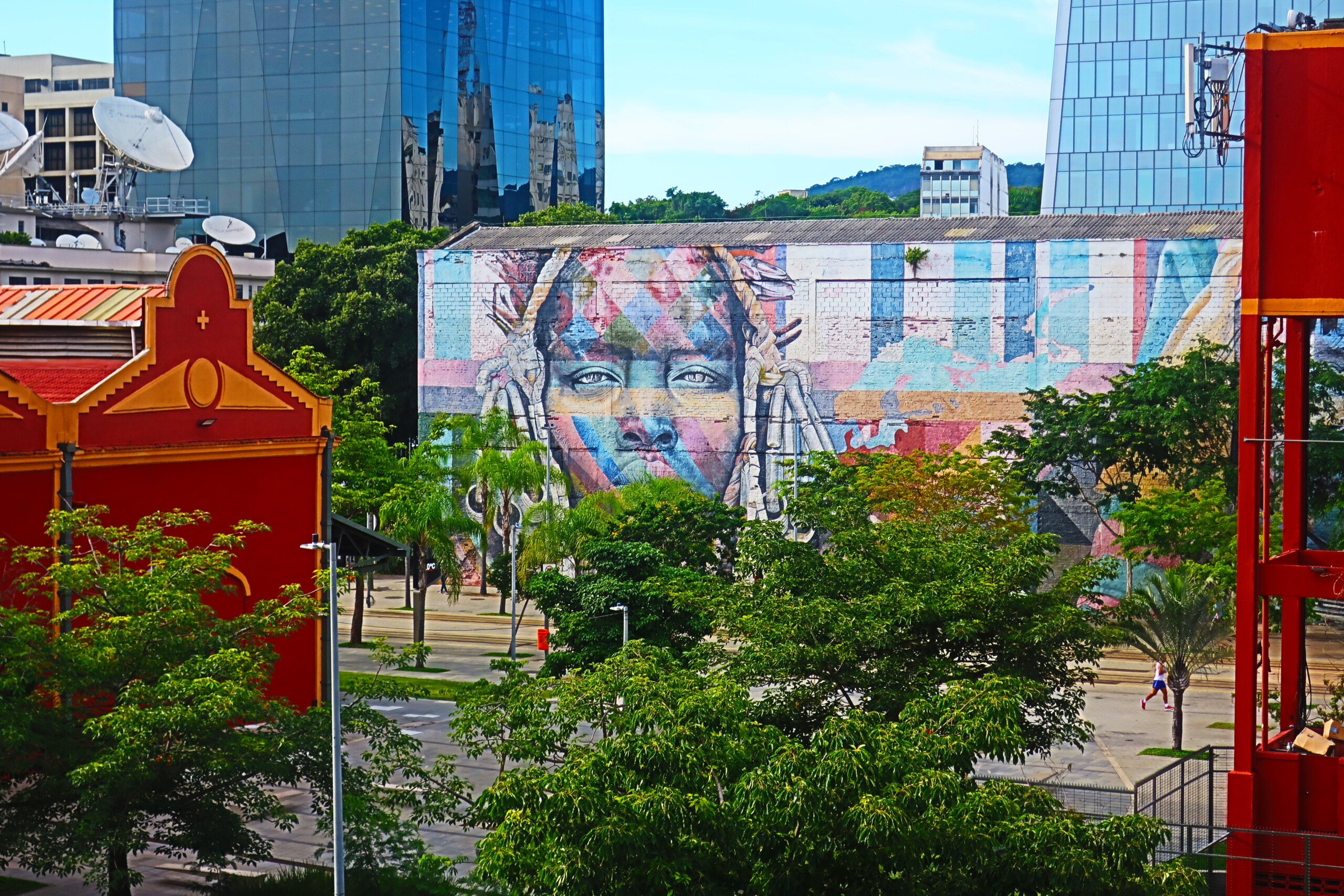
Rio de Janeiro does have a major museum along the harbor known as Museum of Tomorrow.
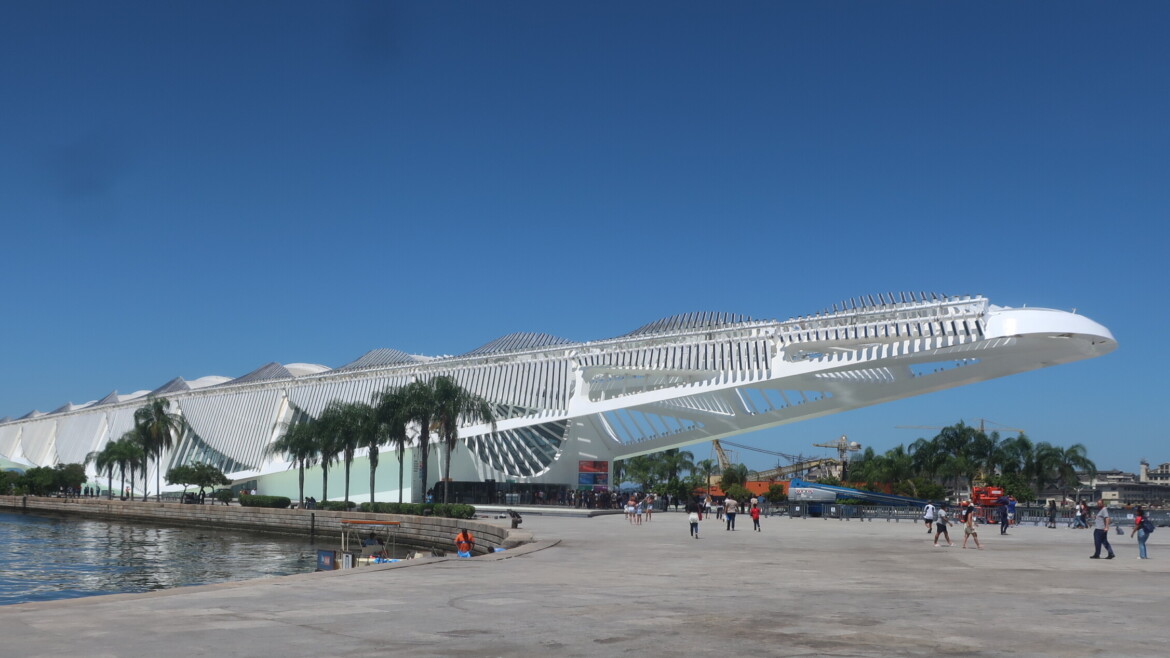
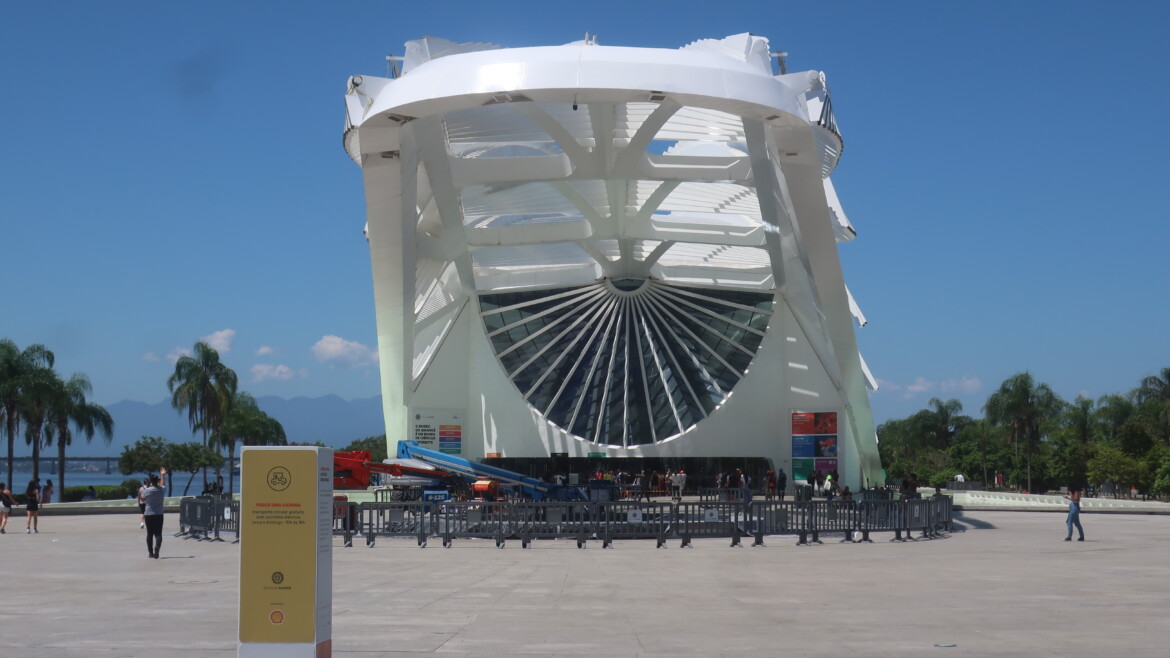
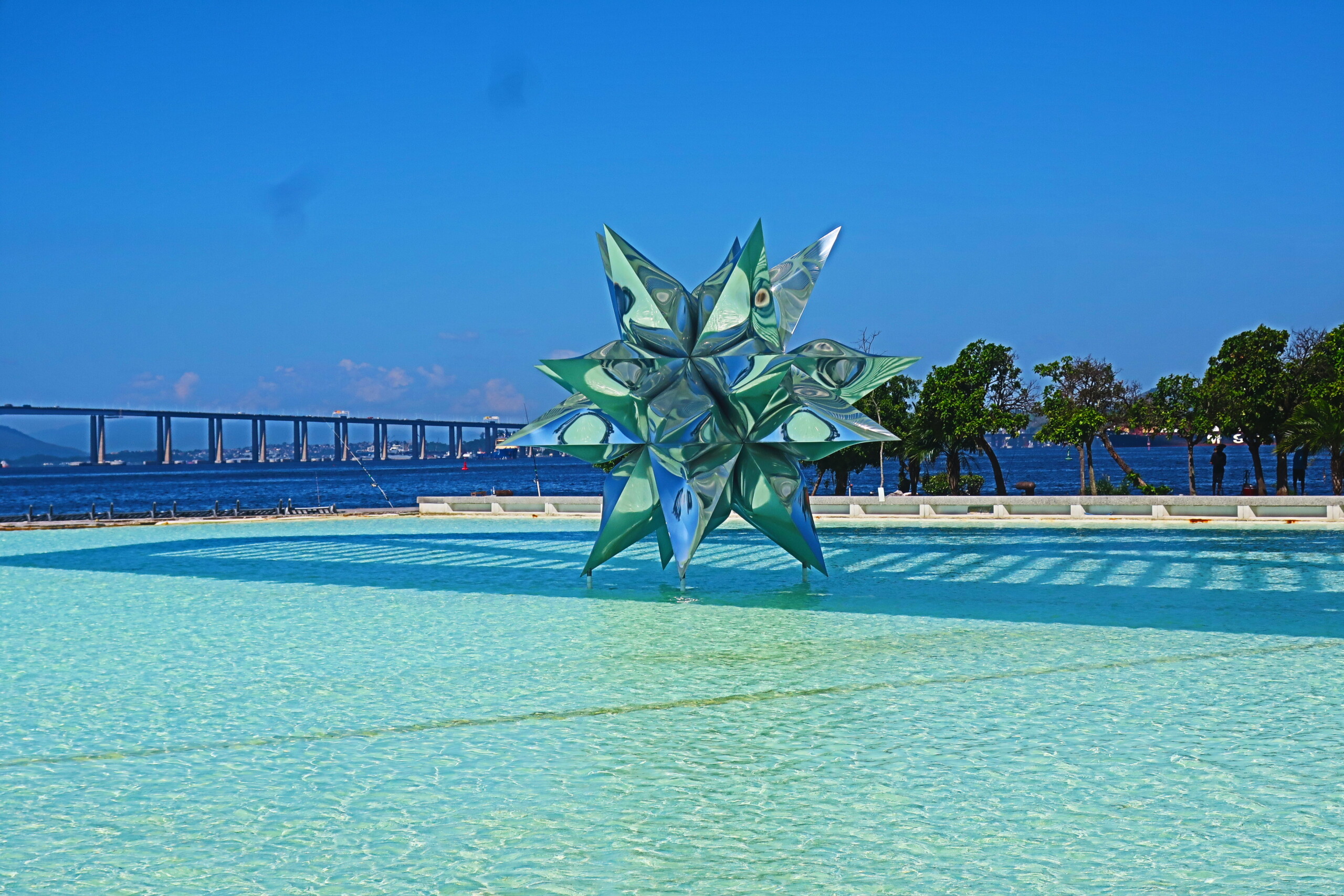
There are a number of video displays which are quite captivating about science. Near the harbor is an interesting Frank Stella sculpture of a twenty-pointed star piece in the reflecting pool.
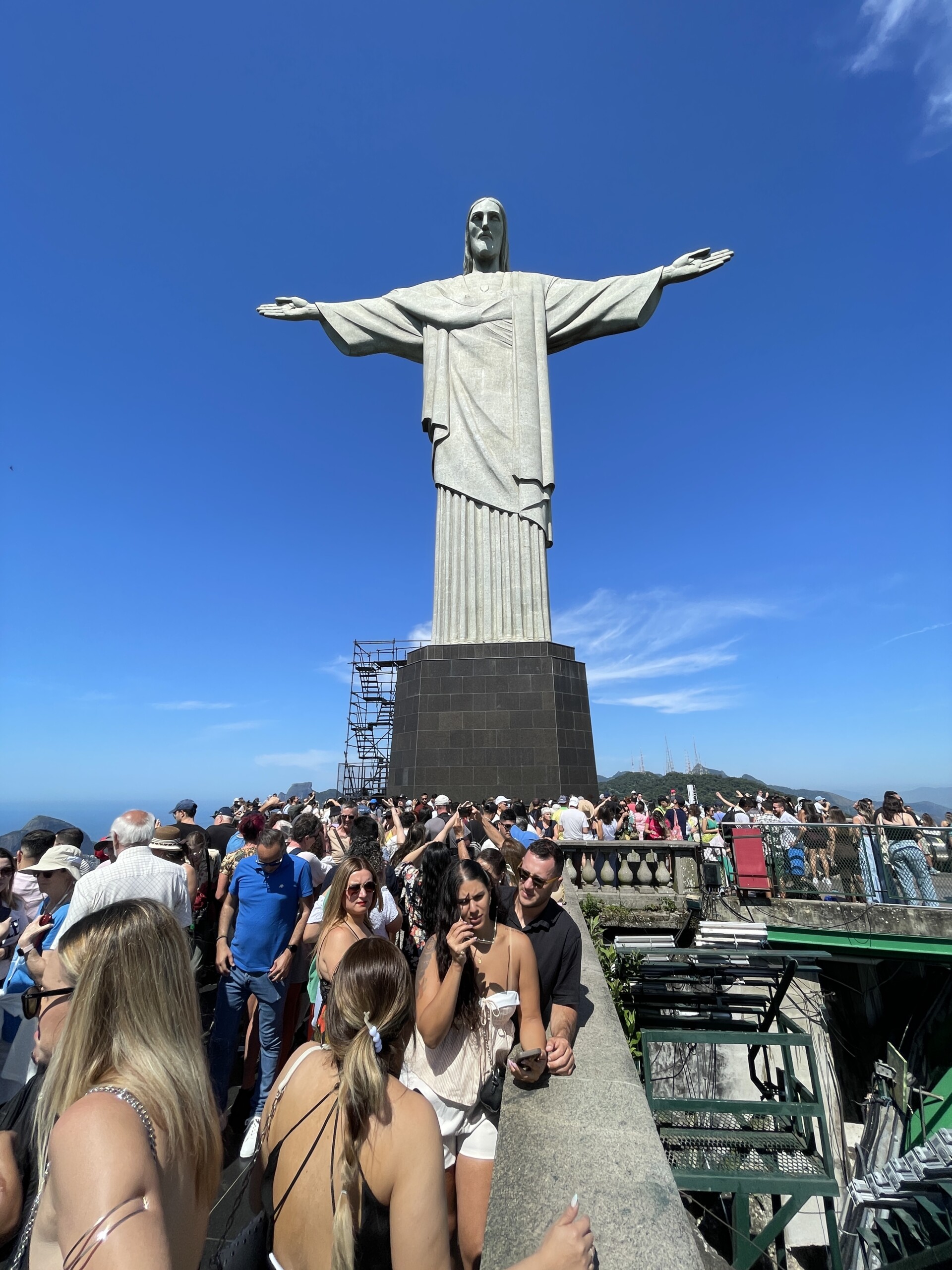
The most famous piece of sculpture in Rio de Janeiro is the 1931 statue of Christ the Savior overlooking Copacabana and the sea.
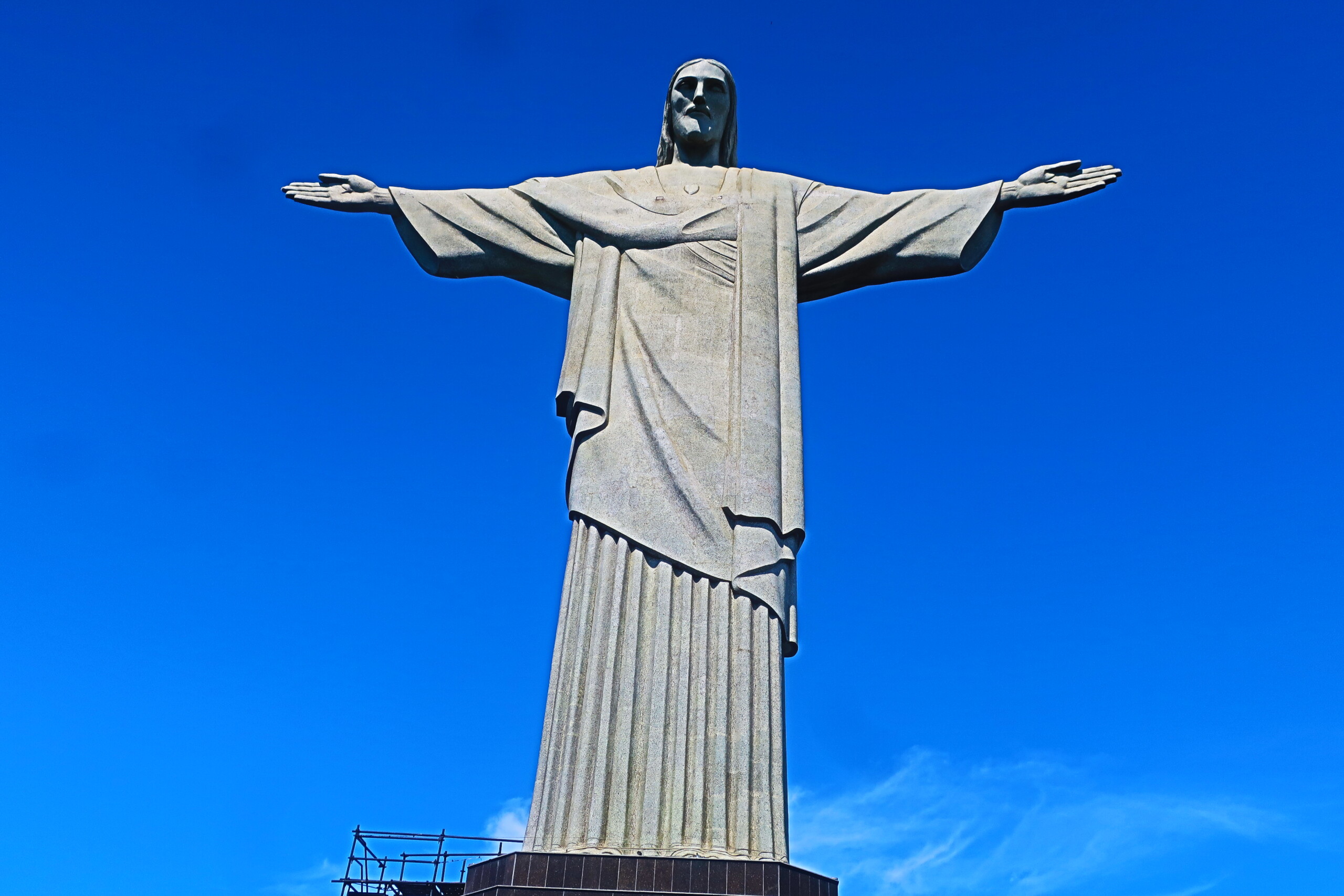
The 98-foot-tall statue is quite impressive with arms that stretch out 92 feet. There is no crowd control per se and you may have thousands of people around you. It is tough to get around due to people taking pictures with their hands stretched out. It is definitively one of the “New 7 Wonders of the World.”
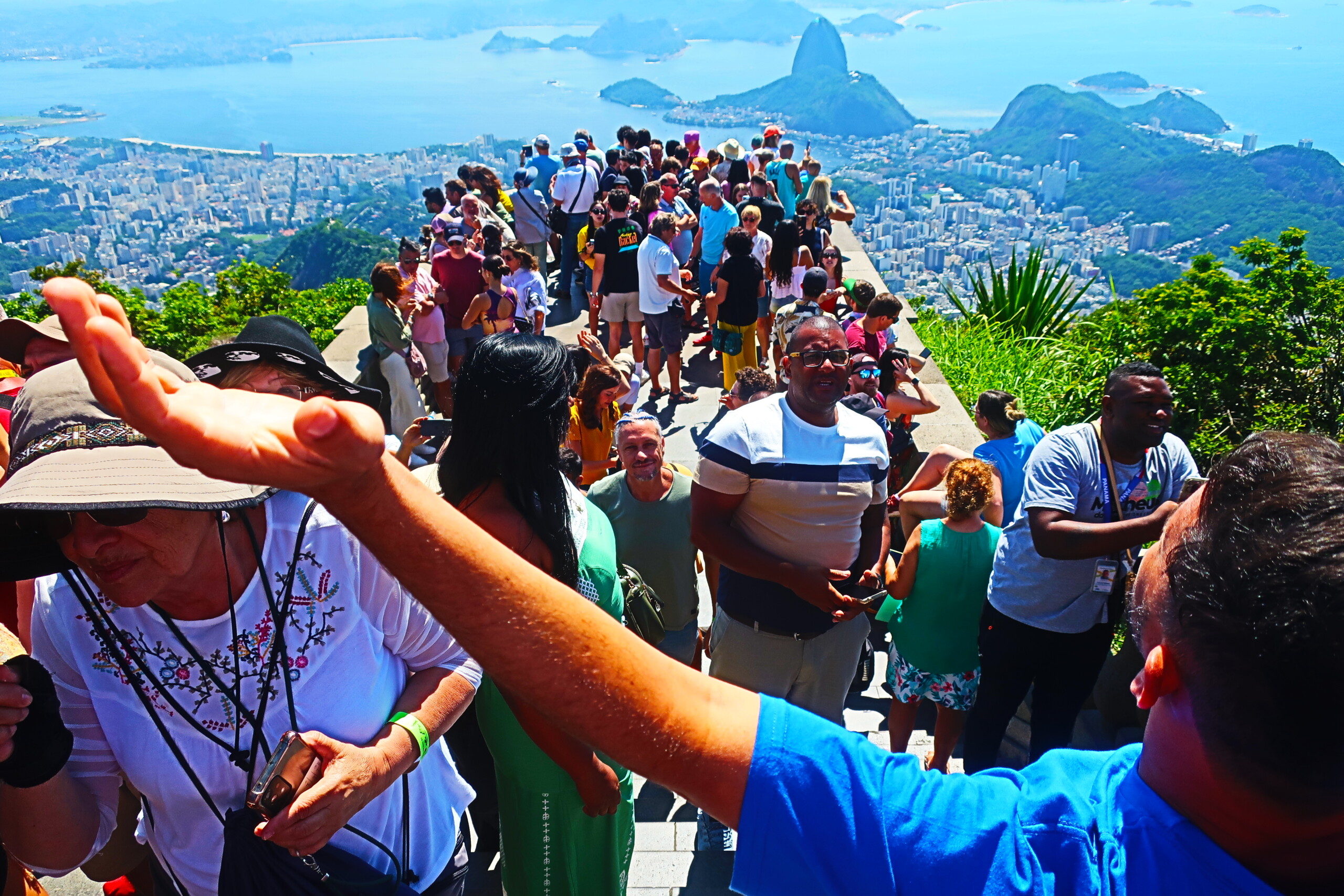
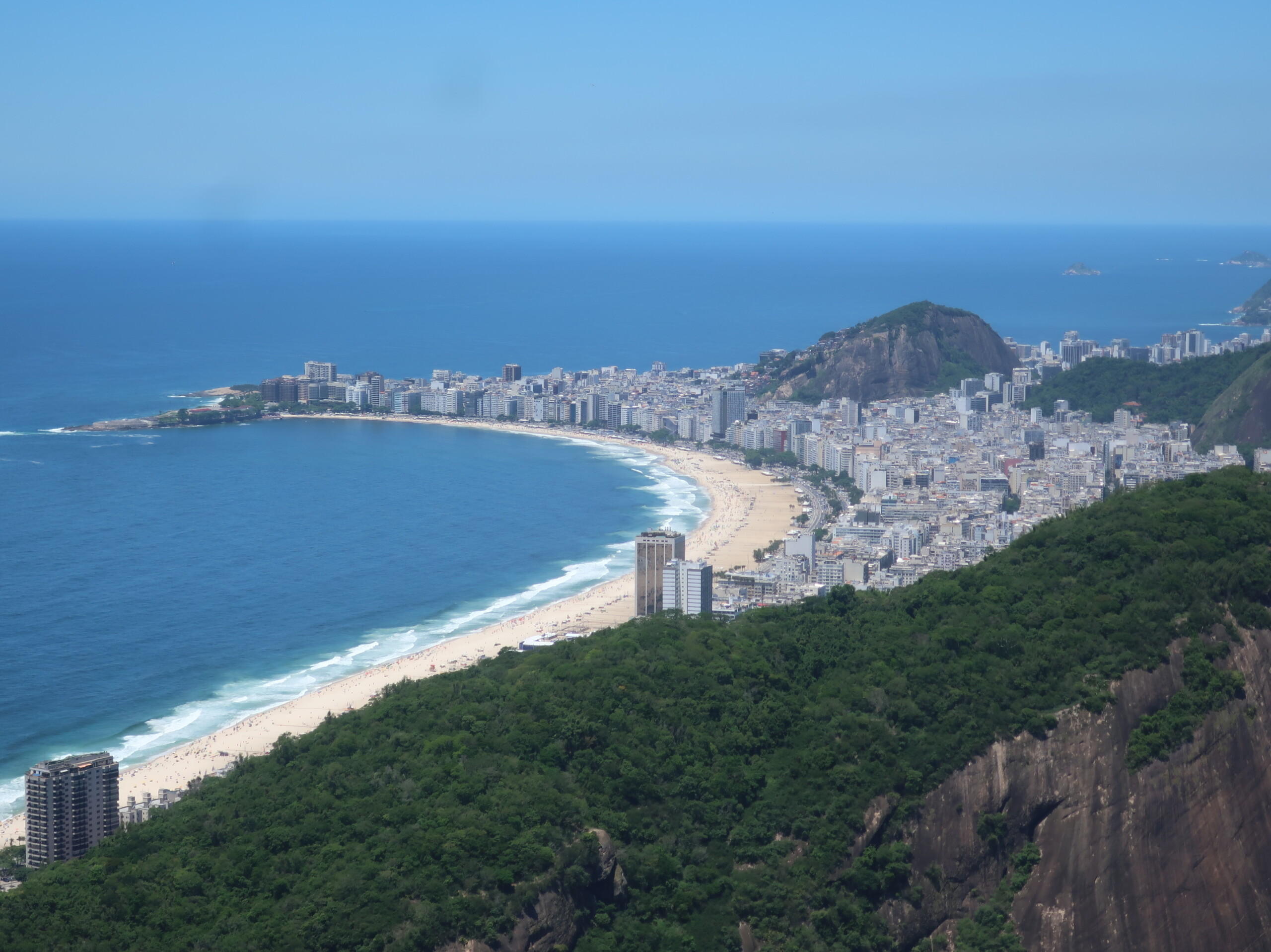
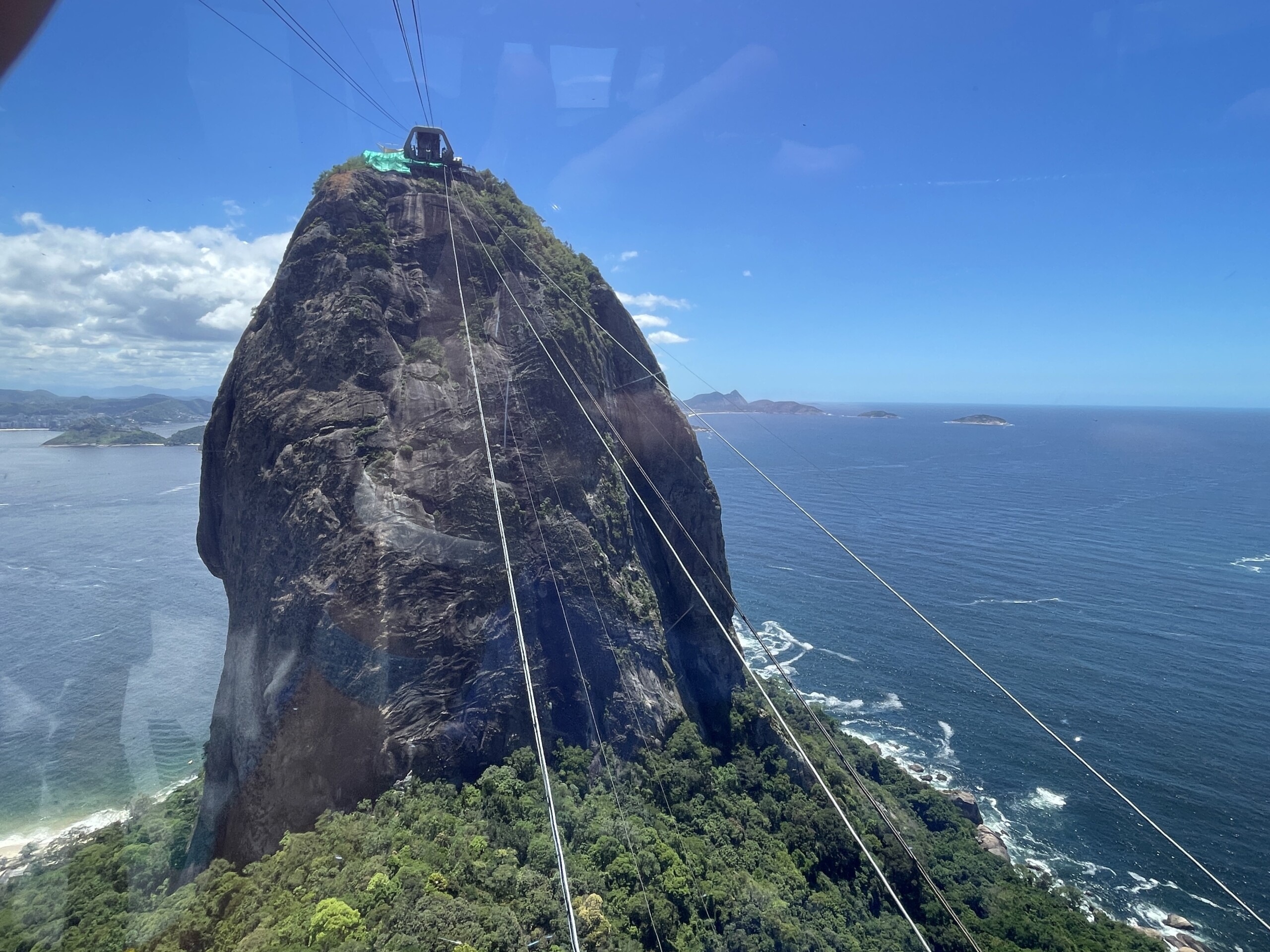
Not to be confused is Sugarloaf Mountain right on the sea. Two different cable cars will take you to the top of 1,299 feet of granite majestically overlooking the harbor, Copacabana and the sea.

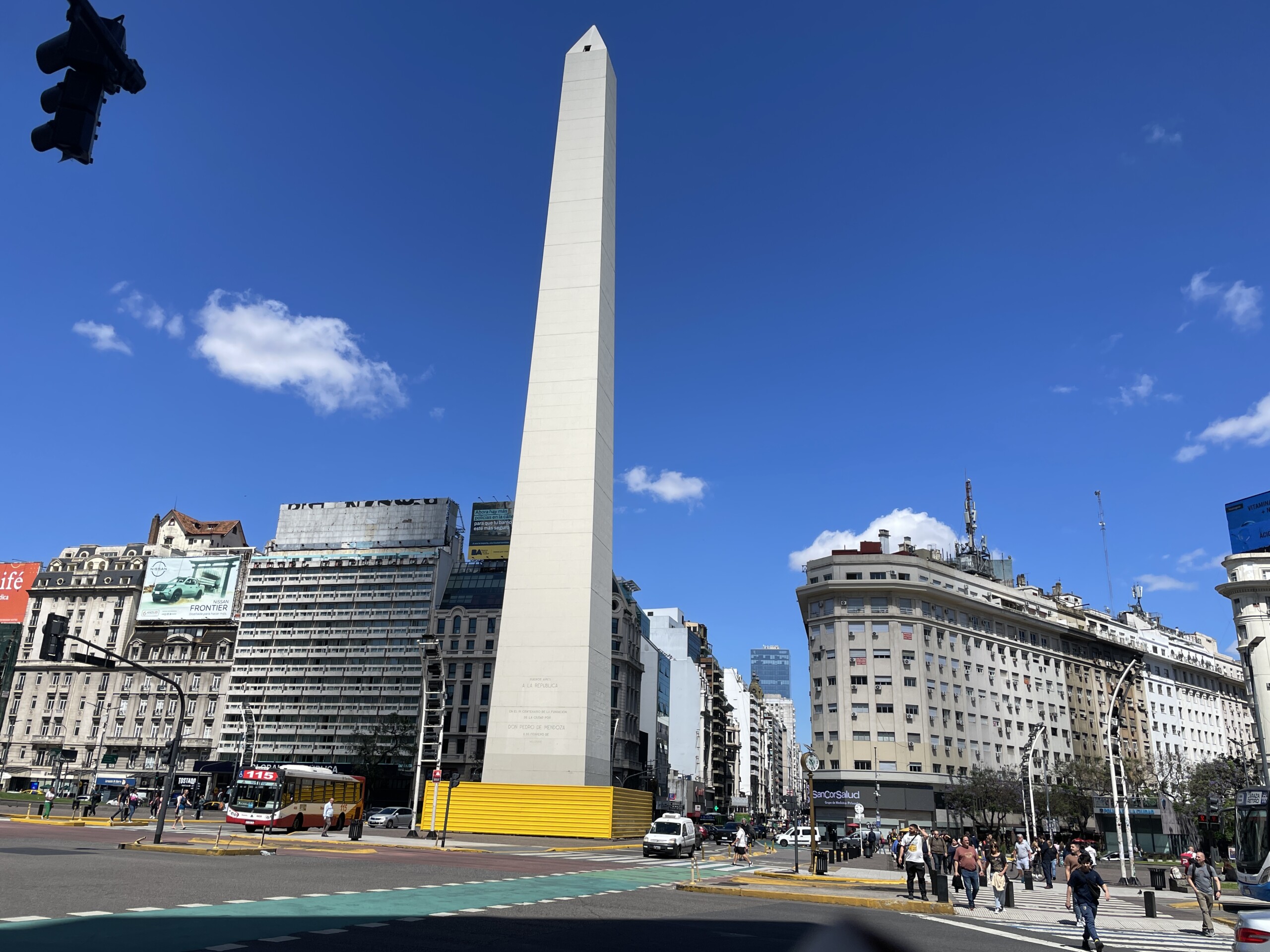
Buenos Aires does not have anything as majestic as Christ the Savior or Sugarloaf. It does have impressive buildings and monuments though.
The Bank of China, the largest institution bank institution in the world, is situated along a major canal in Buenos Aires.
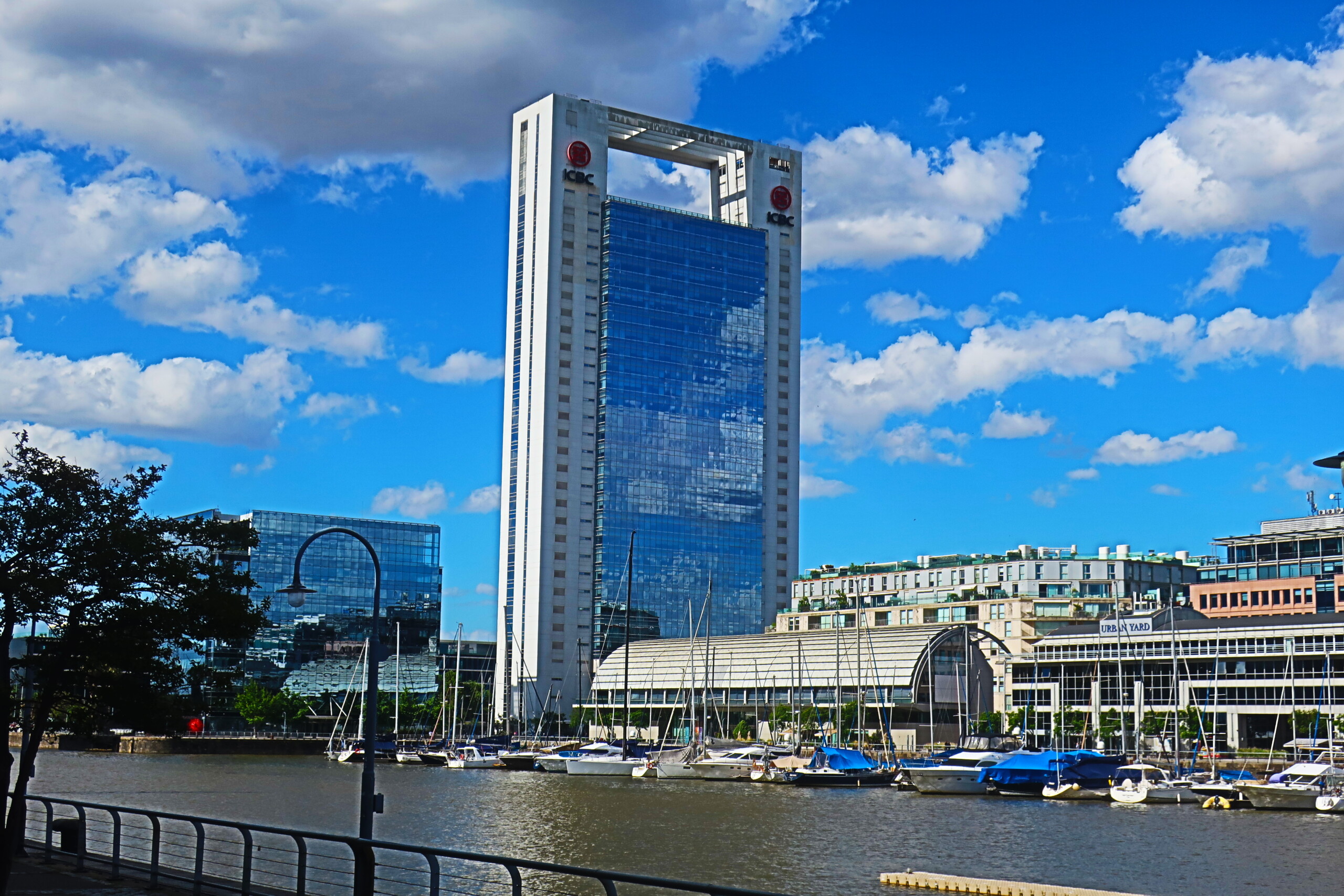
There are a number of historic ships along the canal.
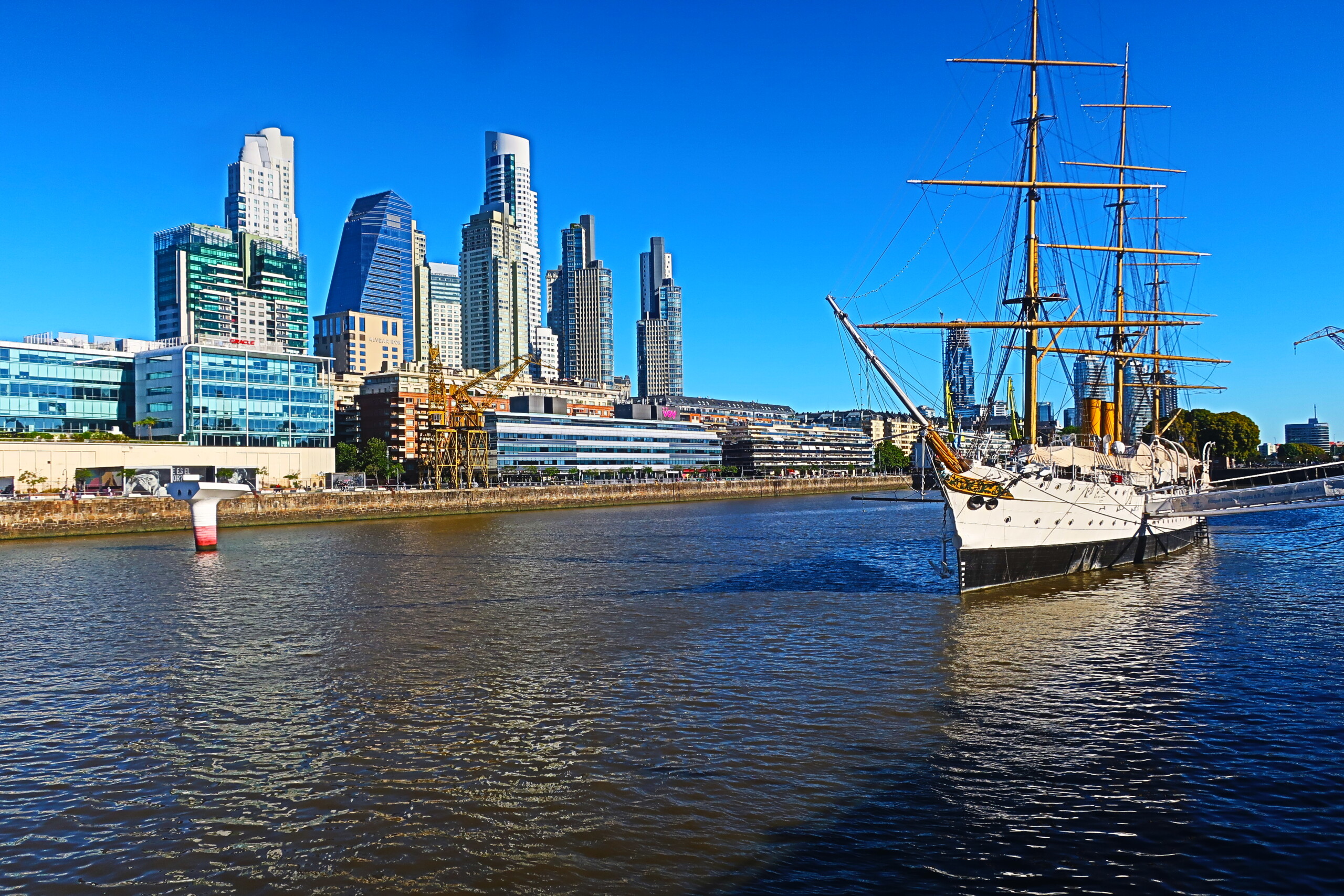
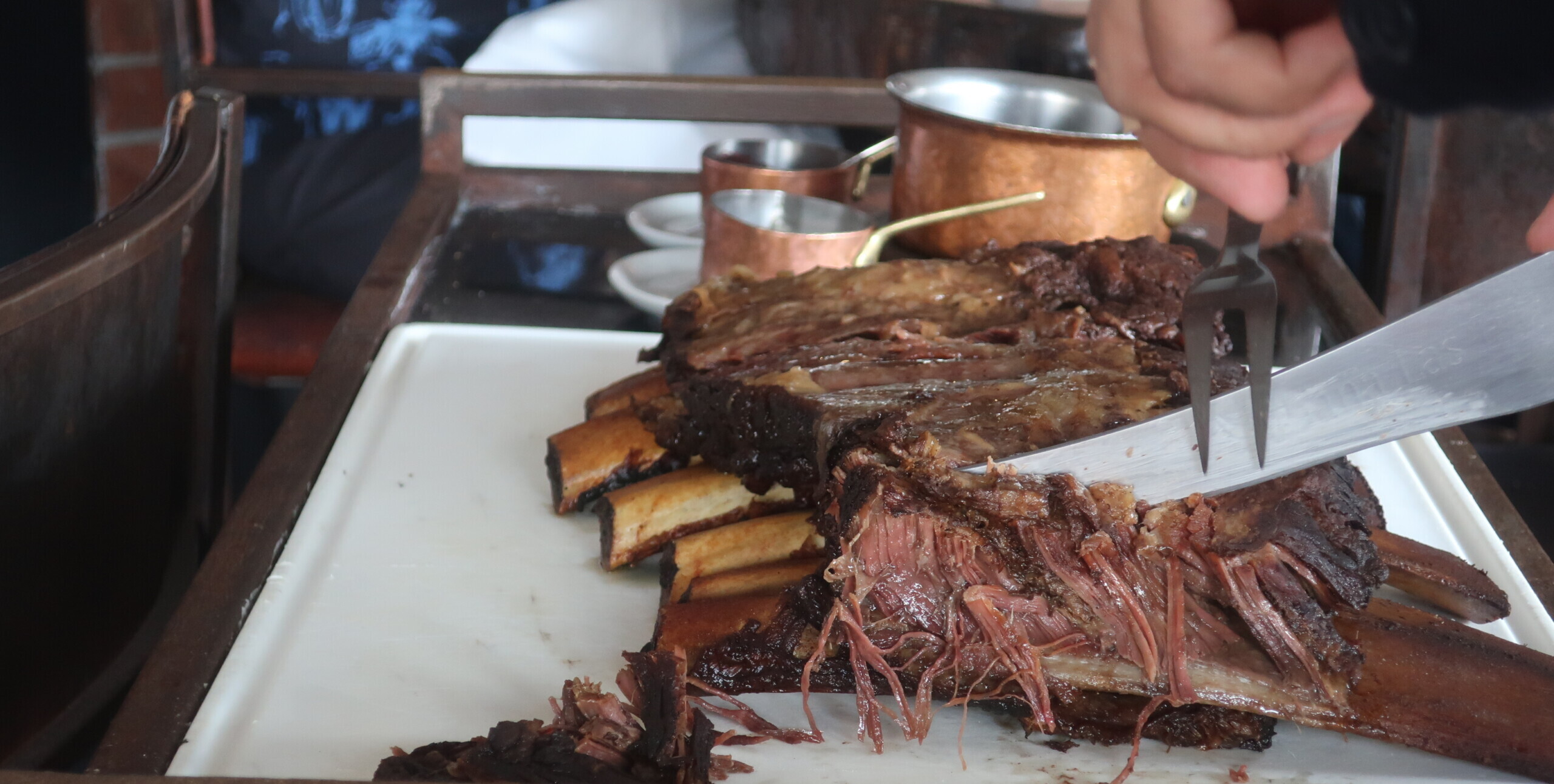
We enjoyed several restaurants, like Cabana Las Lilas in Buenos Aires, located on the wide canal. Having a meat dinner is common in Argentinian restaurants.

In the center of Buenos Aires is a fancy downtown mall known as Galerias Pacifico. It is quite pretty at Christmas.

Both cities have a large percentage of its people that are poor and homeless. In Rio de Janeiro, the poorest of neighborhoods are known as favelas which are located on large hills.
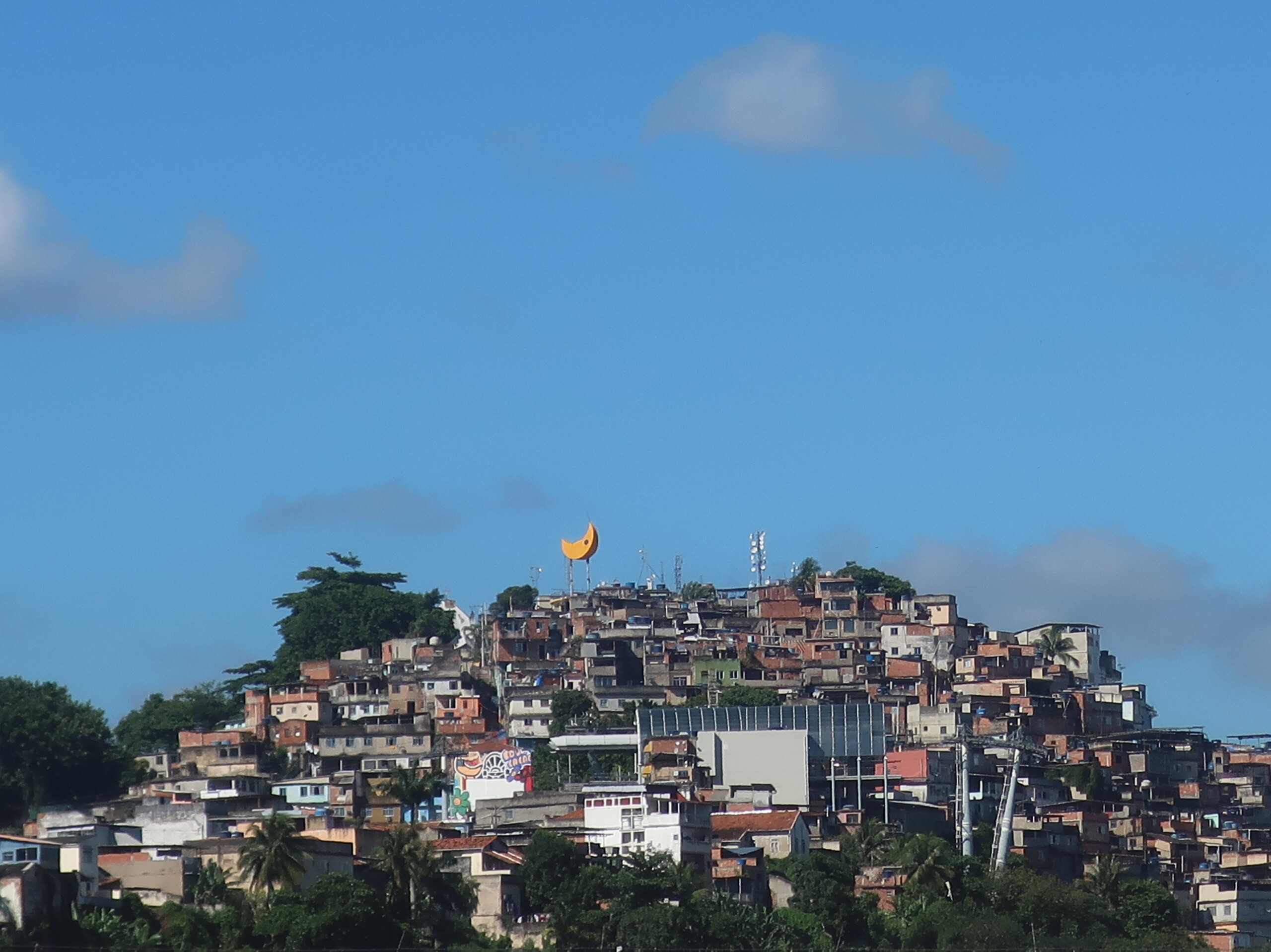
Characteristics of these places are high population, low-quality of housing and limited access to services.
In Buenos Aires we caught this picture of a man working from his bike.
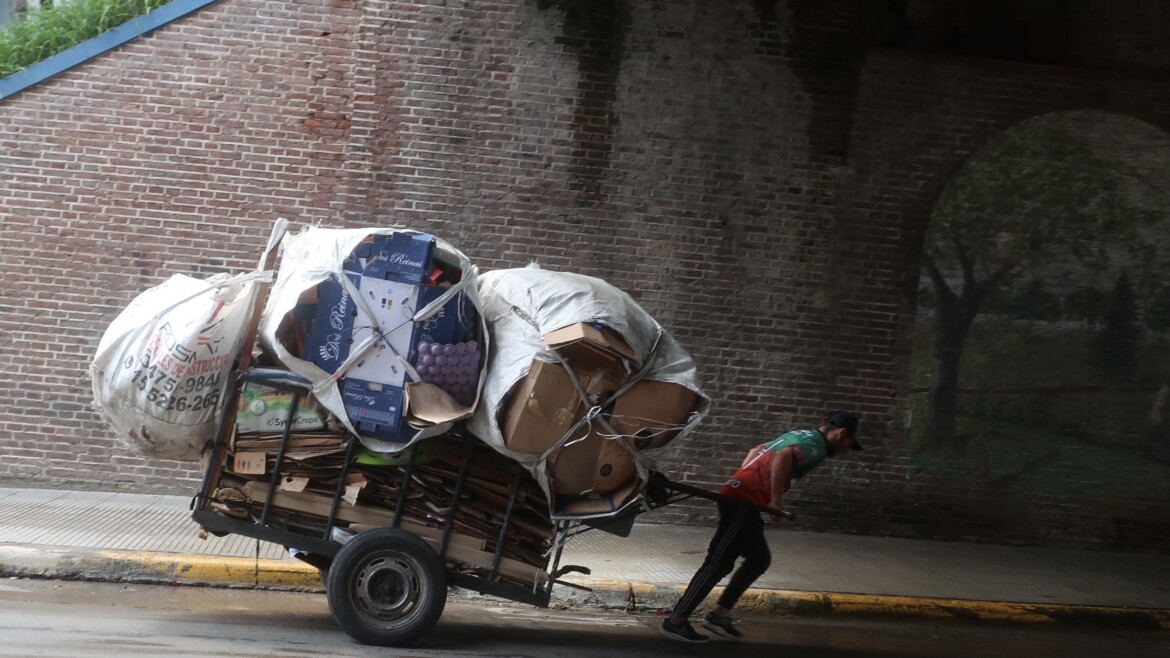
We also saw homes going to the airport that lacked walls and windows. It is indeed sad to see. Nonetheless, the USA has its share of homeless and poor too.
To make sure everyone behaves, there is quite a police presence in both cities.

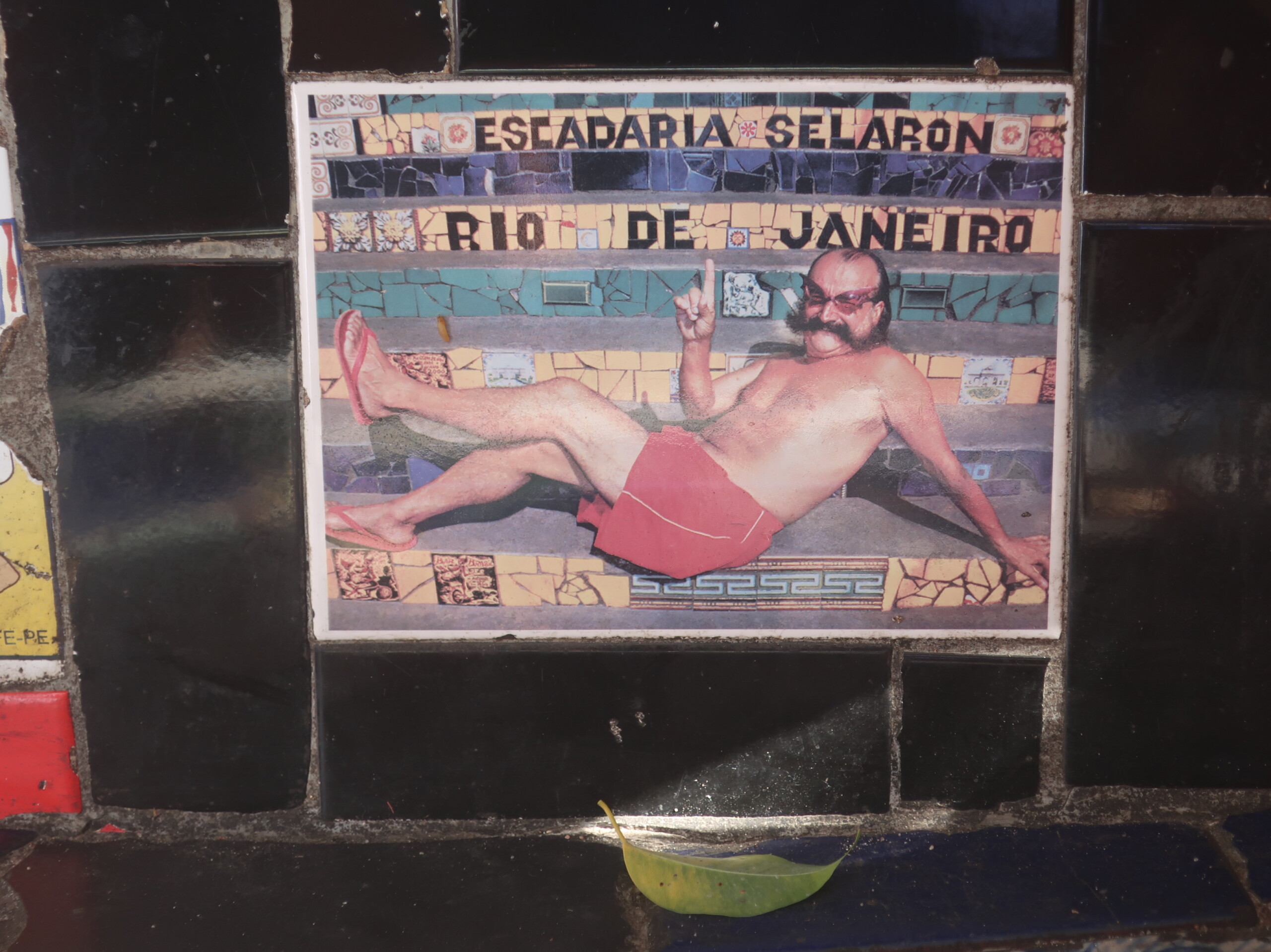
There is a famous walk-way in Rio, known as the “Lapa Steps,’ where an artist decided to beautify the neighborhood by placeing tiles along 215 steps. Over 2000 decorative tiles throughout the world dominate this small hill.
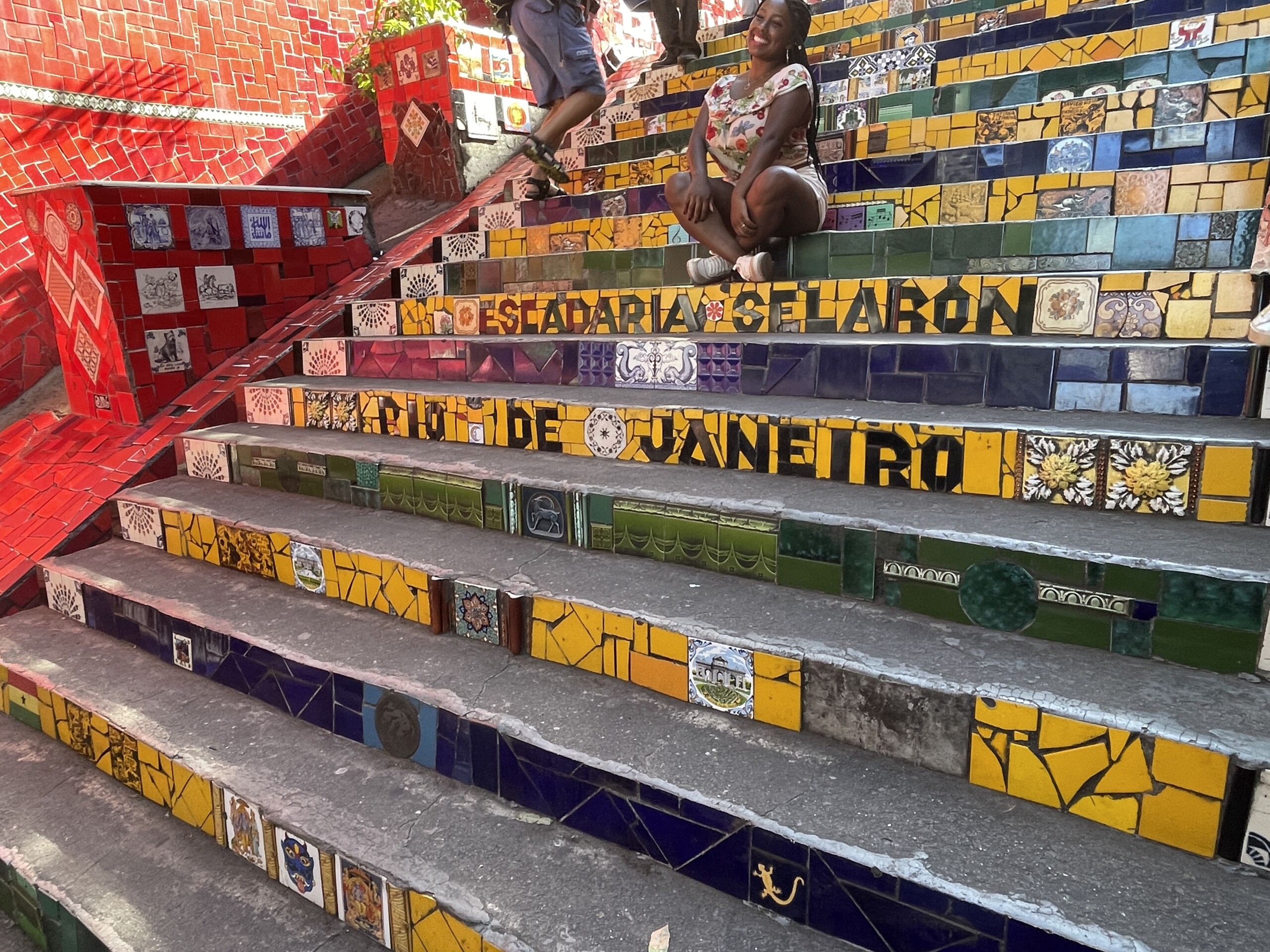
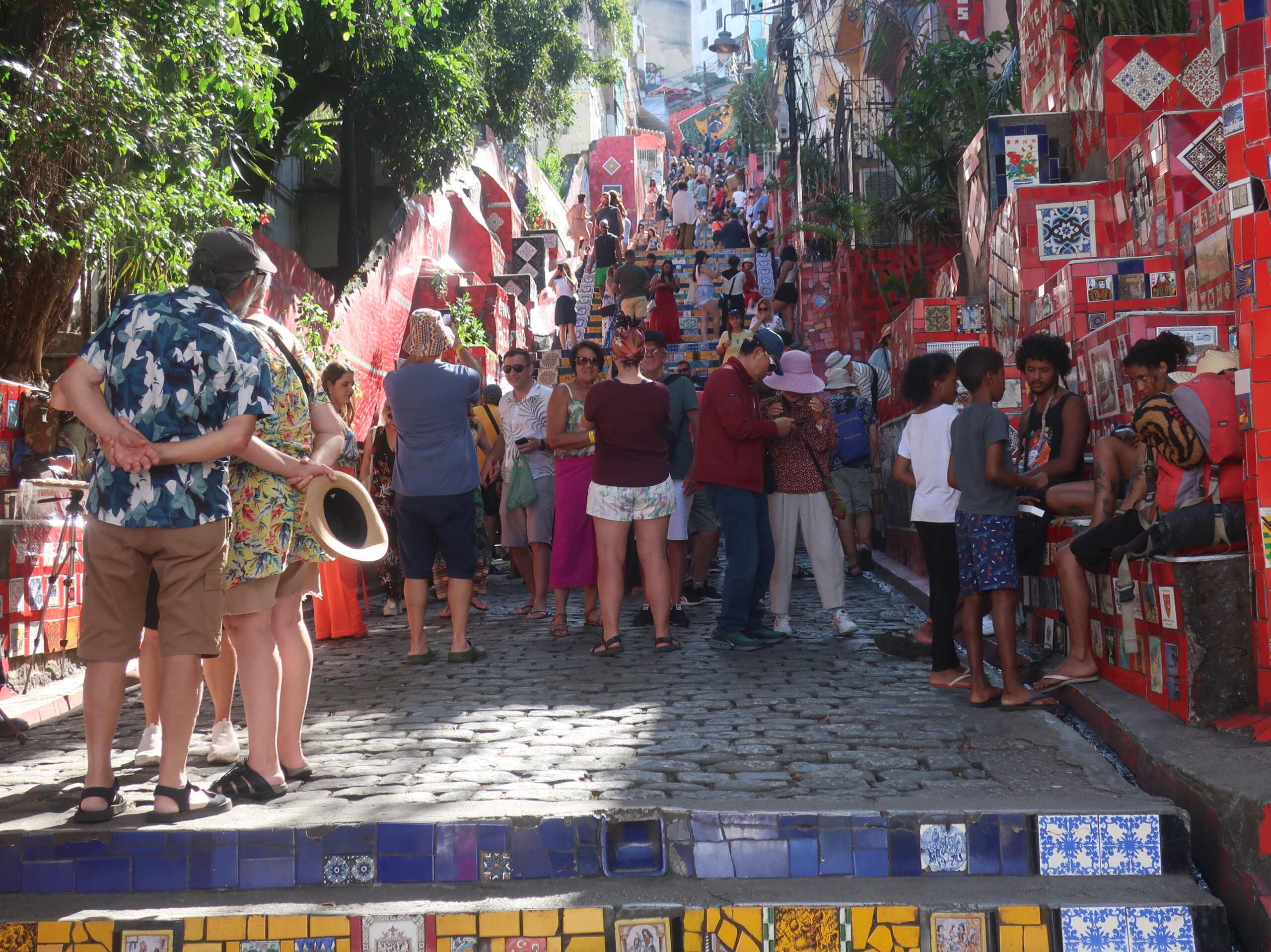
An artist back in the 1990’s, Jorge Selaron, would start an art movement with his obsession to make his neighborhood better.
Geography does differentiate both locals. As Rio de Janeiro has large granite mountains, Buenos Aires is flat. Pictured below is Sugarloaf mountain in Rio
Having beaches is a major plus for Rio de Janeiro. Copacabana stretches for four miles. Unlike Hawaii where hotels dominate the beaches, there is plenty of white sand and blue waters for Rio’s citizens and visitors.
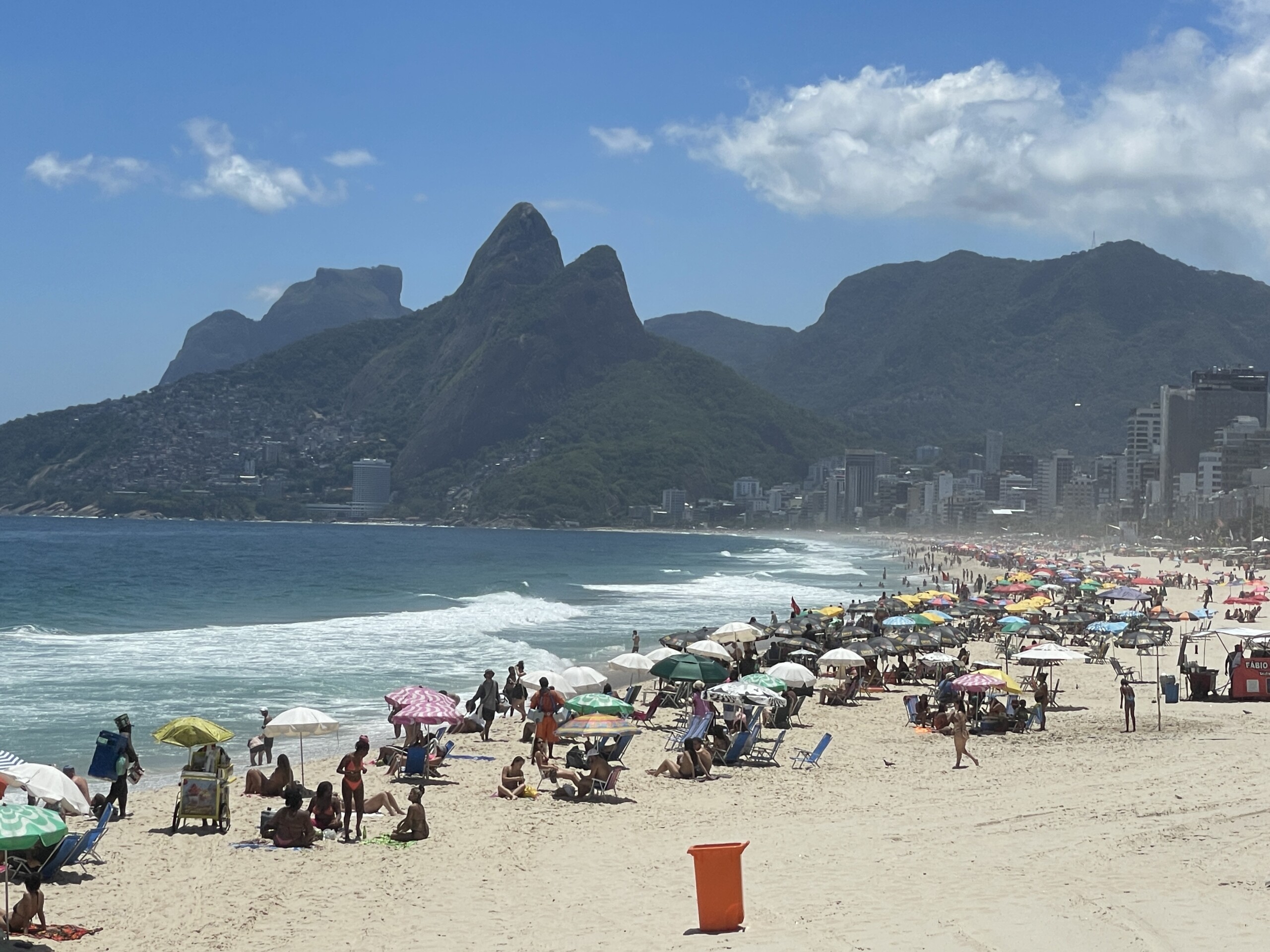
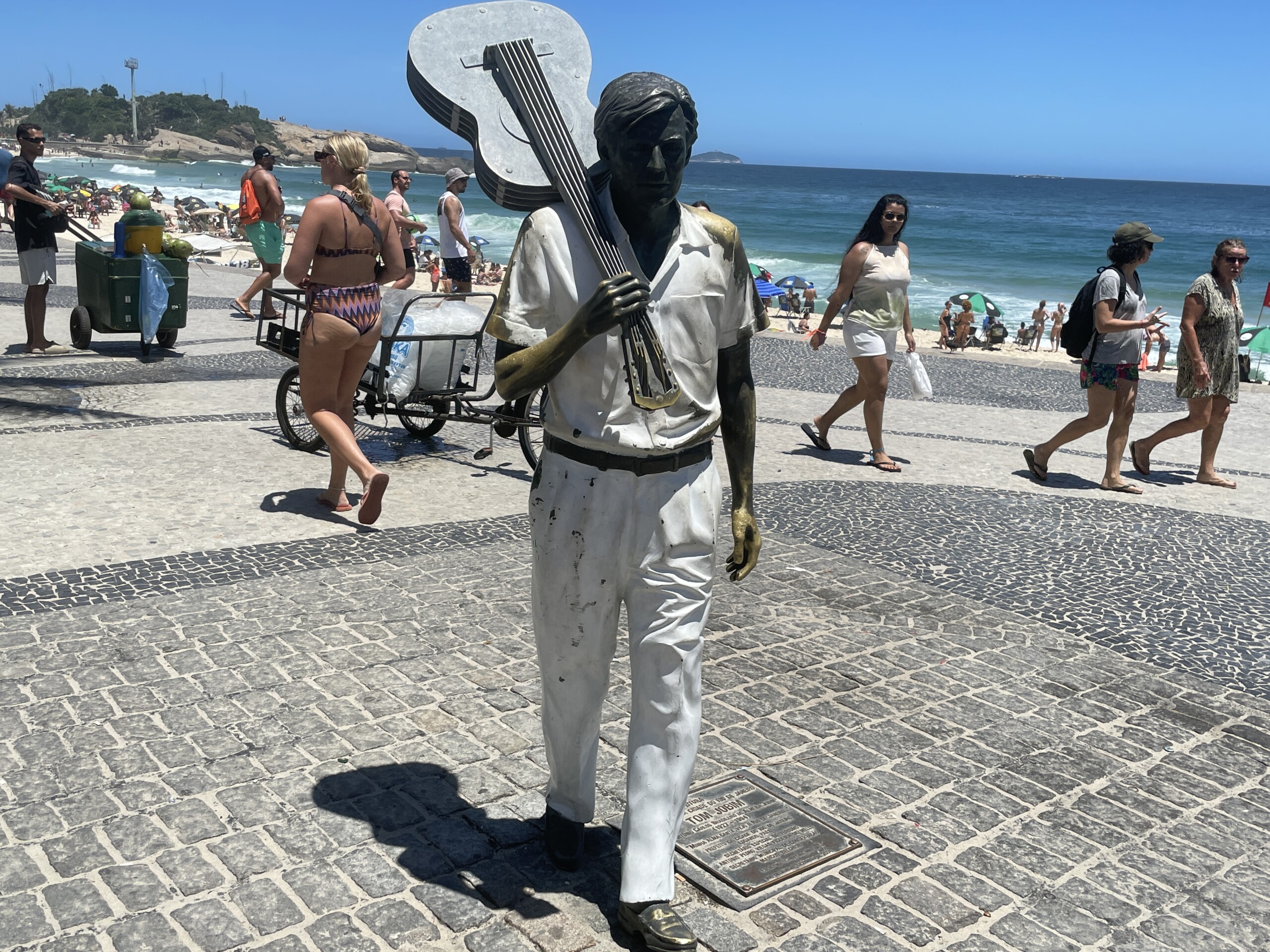
Close by Copacabana is a smaller but still a beautiful stretch of beach called “Ipanema.” A musical artists named Antonio Carlos Jobim and Vinicius de Moraes created the song in 1962, “The Girl from Ipanema.” Part of the lyrics are “Tall and tan and young and lovely; The girl from Ipanema goes walking”
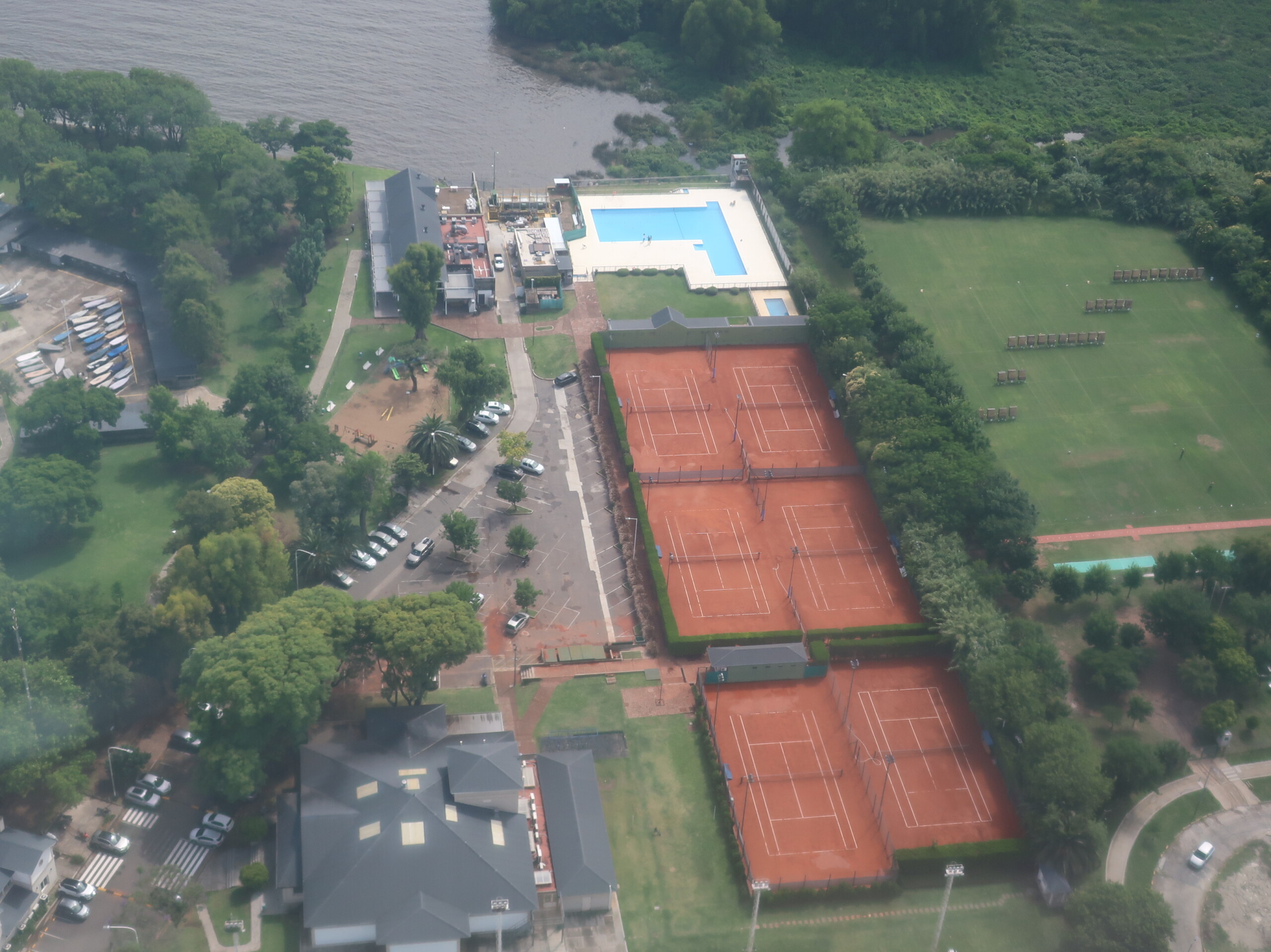
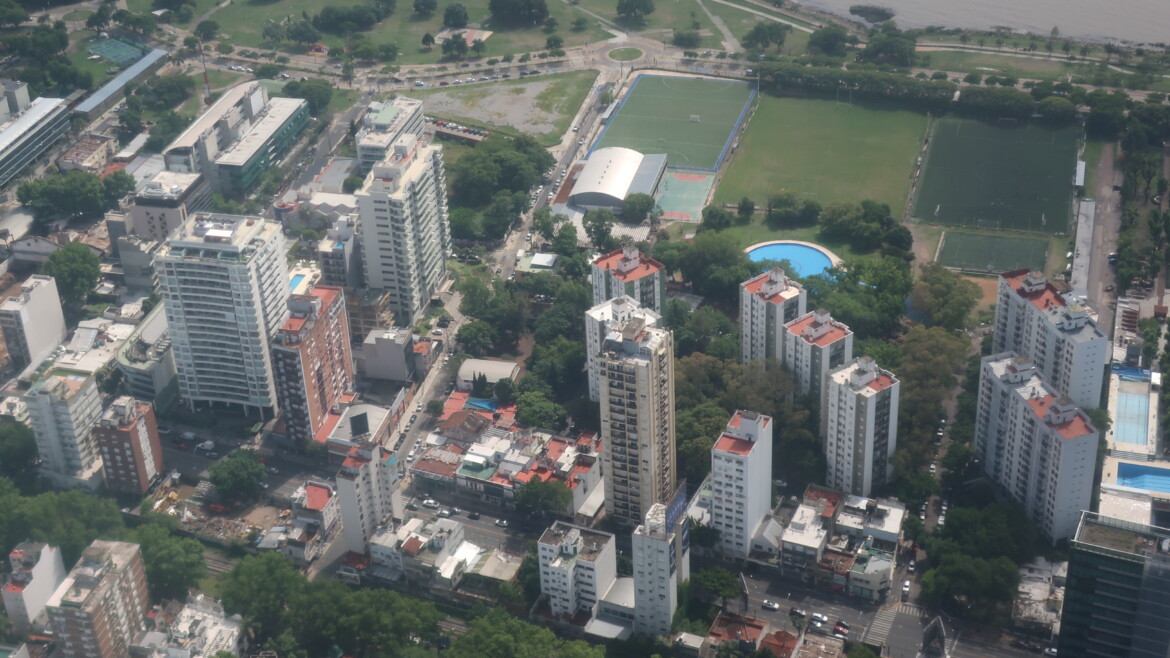
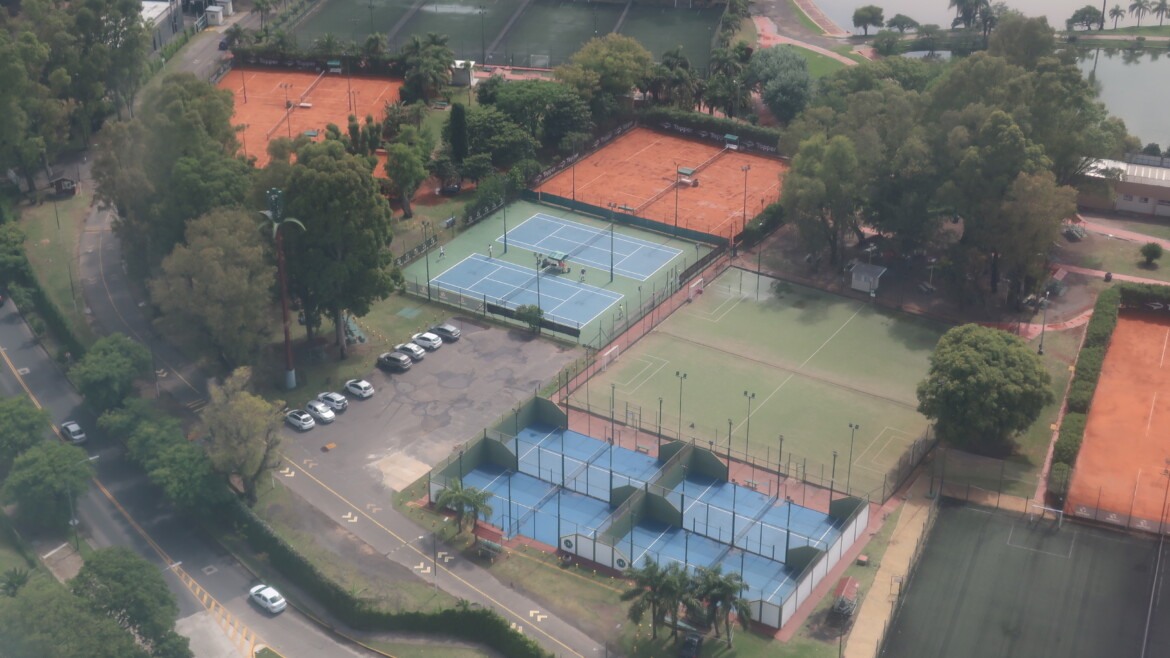
It takes hours to go to a decent beach in Buenos Aires. The flat areas do provide the opportunity to develop sport complexes that stretch out from the center of town. We flew over a number of these sports centers. Tennis and swimming are popular sports in Argentina.
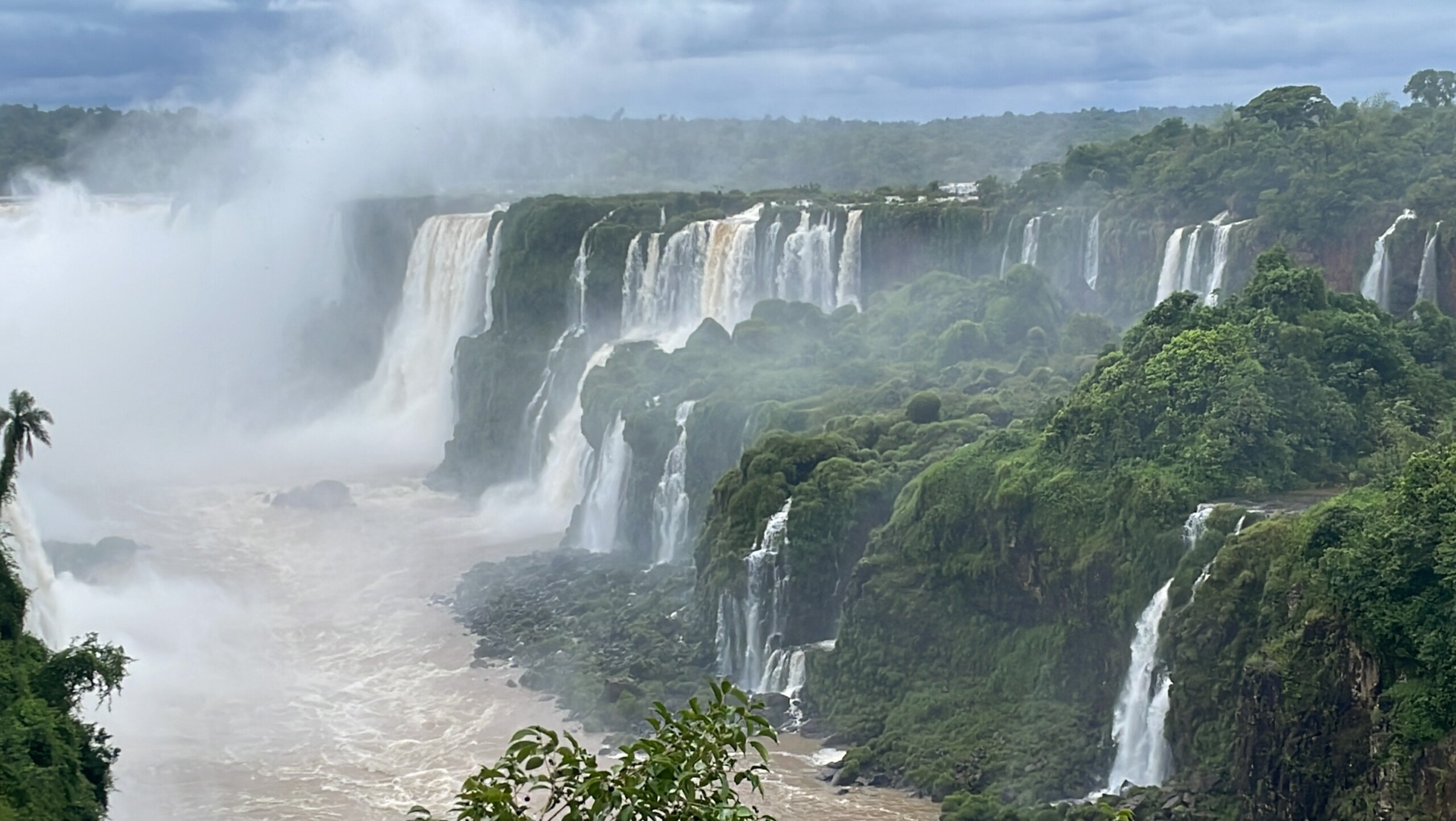
From either Rio or Buenos Aires, a short flight will get you to Iguazu Falls. 275 majestic falls are from one river, Iguazu. Eleanor Roosevelt came to Iguazu Falls in 1944. She said, “Poor Niagra,” after viewing Iguazu Falls. Seeing Iguazu Falls became a major highlight of our sojourn.

In our journey through both cities we found a concern for the environment.

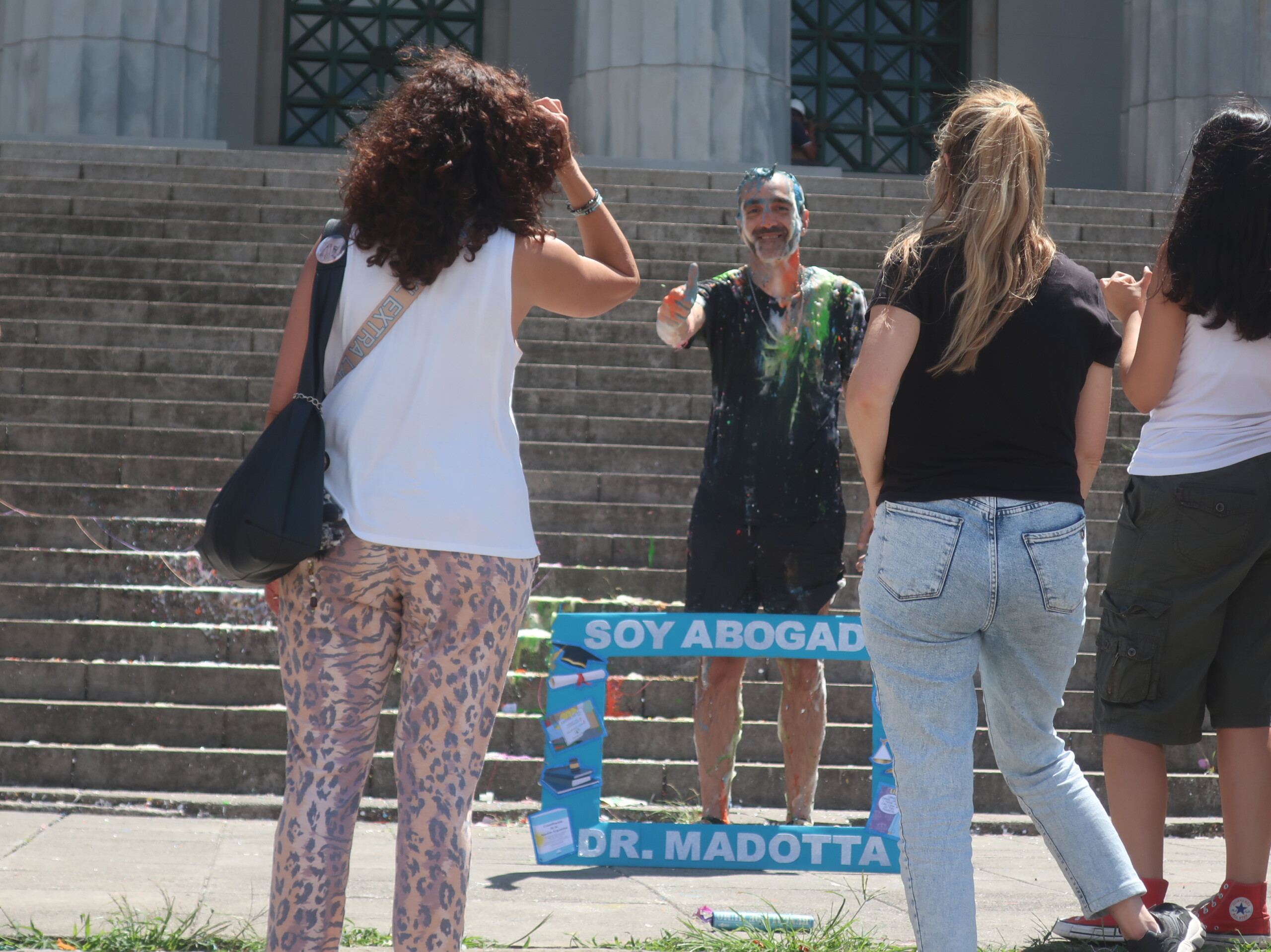
We did view two countries filled with love and a sense of humor. In Buenos Aires, we came across what appeared to be college students painting their professors. It must be a tradition.
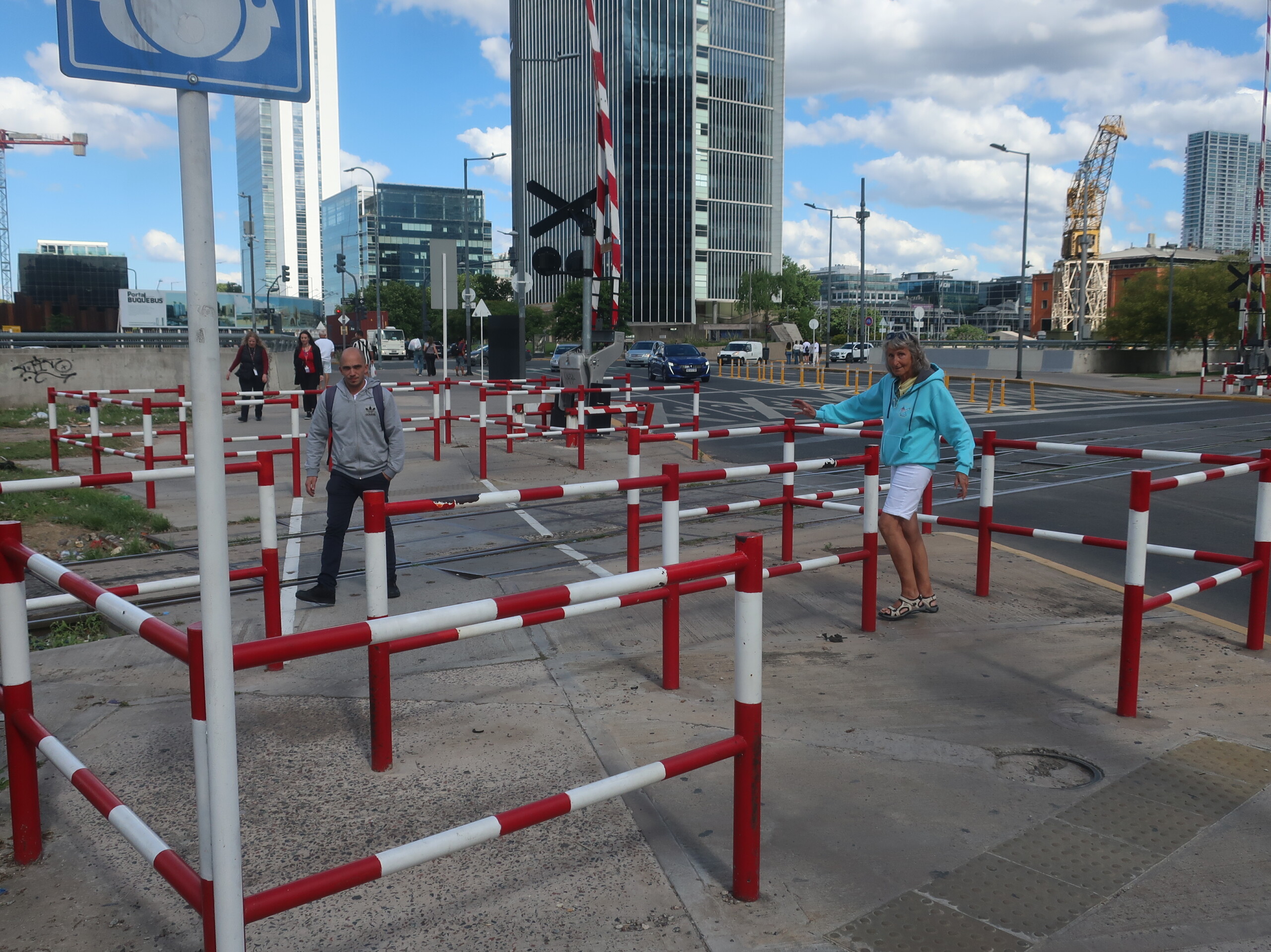
In Buenos Aires we came across this unique maze before a railroad track. Going through the maze will definitely make you look.
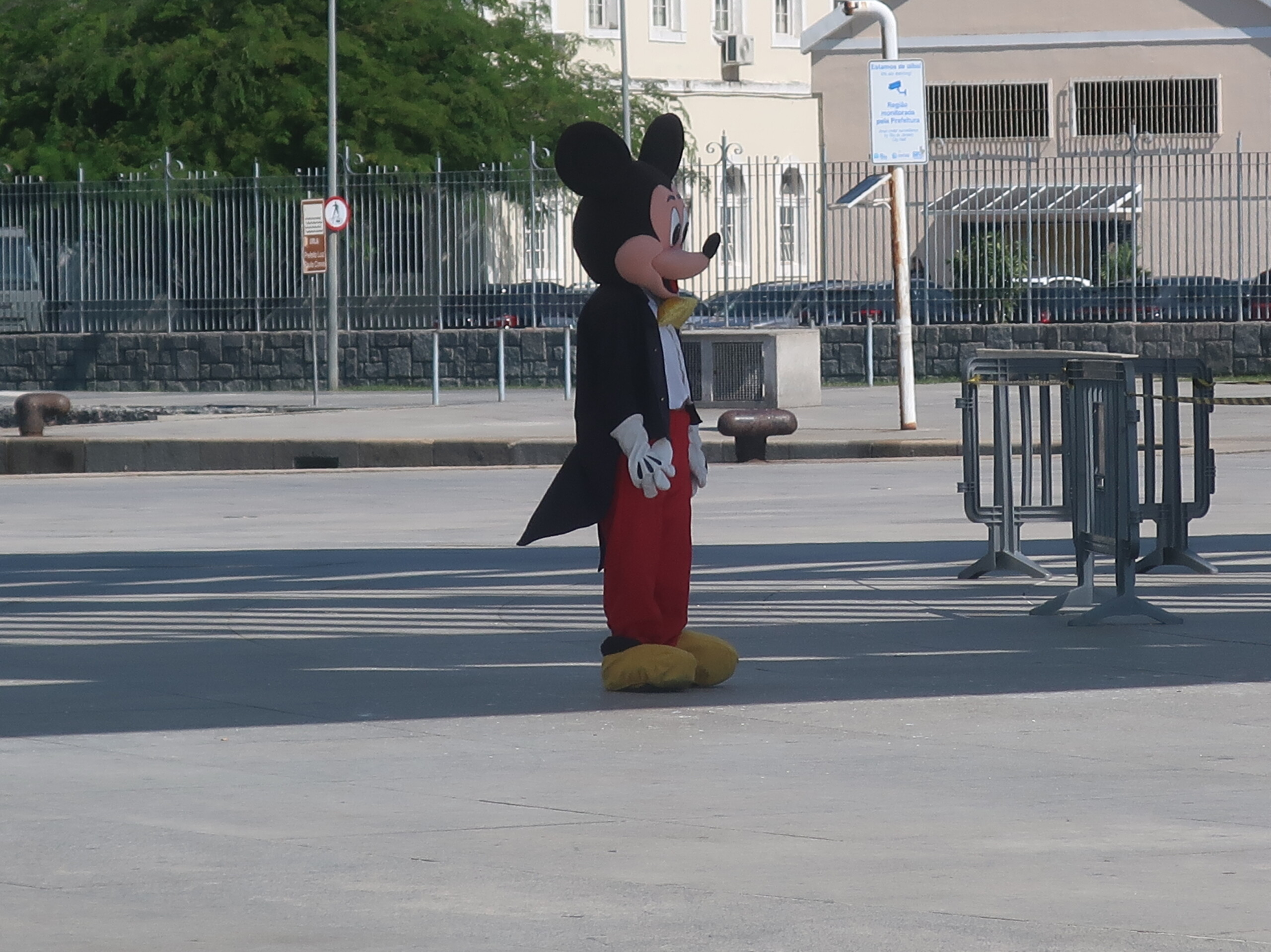
Finally, one is never too far from a Mickey Mouse. Pic at the Modern Museum in Rio.